As new environmental regulations start to solidify, 2026 has a reputation for being the year everything gets harder. Between the European Union's Ecodesign mandates and new transparency laws in the United States, the industry is landing on a single, global standard: the verified product.
For brands willing to embrace that new expectation, these shifts are an opportunity to get ahead. Being proactive here checks the regulatory box while also empowering brands to lead the industry into a new era of innovation, transparency, and creativity.
Turning the label into a data carrier
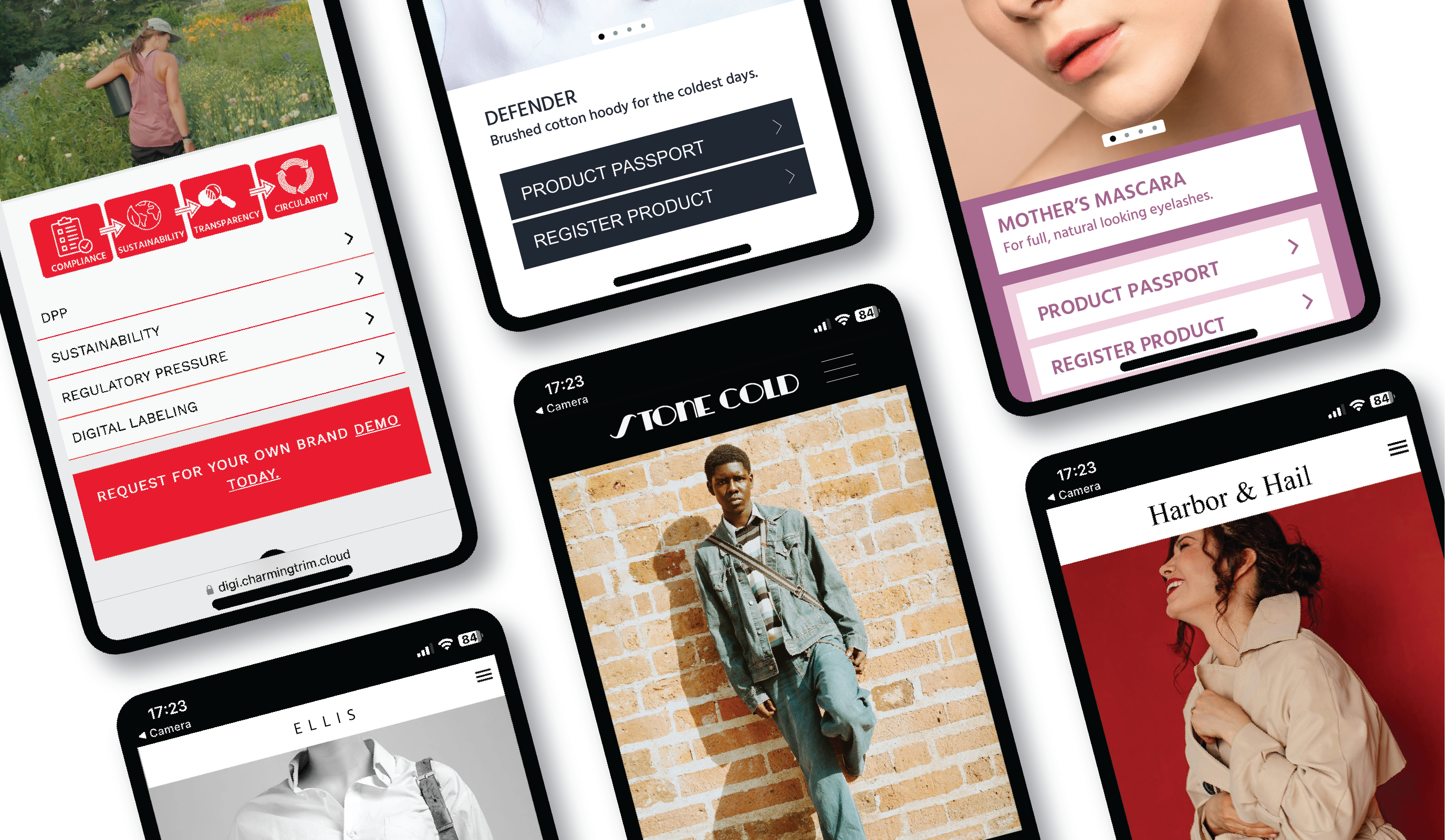
For a long time, a care label was just a static piece of fabric full of tiny text and confusing symbols. With the EU's Digital Product Passport (DPP) and the evolving Textile Labeling Requirements (TLR), that label is now expected to function as a product's ID card.
Integrating RFID or high-fidelity QR codes into your woven labels or hangtags fulfills the EU's circularity data requirements while delivering a long list of internal benefits.
RFID clarifies the supply chain, cuts down on lost or stolen goods, and makes it easier for brands to report their full carbon footprint, while QR codes open a direct line to your audience, delivering care and circularity information alongside a space to market and upsell.
The data that keeps regulators happy makes your customers happy, too.
Future-proofing materials and trims
While the digital side handles transparency, the physical side of your trims has to meet new safety benchmarks too:
- France banned PFAS in textiles, footwear, and waterproofing agents effective January 2026
- Denmark's ban on PFAS in clothing and footwear kicks in July 2026
- Several US states are following close behind, with bans rolling in through 2026 and beyond
Transitioning to PFAS-free finishes and recycled trims now means your collection is market-ready everywhere (not just where the bans are already active). This prevents an expensive, last-minute redesign that happens when a new state or country triggers a ban, which is to be expected as new laws become standards.
Smart packaging as a logistical win
Packaging is the first thing a regulator audits and the first thing a customer throws away. The EU's Packaging and Packaging Waste Regulation (PPWR) took effect in February 2025 and starts applying to brands in August 2026, requiring digital identifiers to link to environmental information by 2027.
Other packaging rules are emerging too, like Canada's Bill C-59 that goes after vague environmental claims (AKA “greenwashing”).
But moving toward recycled polybags, tighter shipping specs, and verifiable environmental info also serves your bottom line. You avoid regulatory dings while improving trustworthiness with your customer base — a more important profitability indicator than ever.
The brands that build on this will lead
These new requirements can feel like pressure, but every standard offers a chance for your brand to do better for your customers, the Earth, and your stakeholders.
A label that carries circularity data also tightens inventory accuracy.
A PFAS-free material library also future-proofs your market access.
Packaging built for recyclability also costs less to ship.
The rules are changing. The question is whether your brand is reacting to that, or building on it.
Talk to your Charming Business Developer today about how these requirements may affect your label and packaging specs. Let's build your 2026 strategy together.

.png) Rich Ringeisen
Rich Ringeisen

.png?width=30&name=rich%20ringeisen%20-%20Edited%20(1).png) Rich Ringeisen : Mar 2, 2026, 12:00:00 AM
Rich Ringeisen : Mar 2, 2026, 12:00:00 AM

 Neil Greenhalgh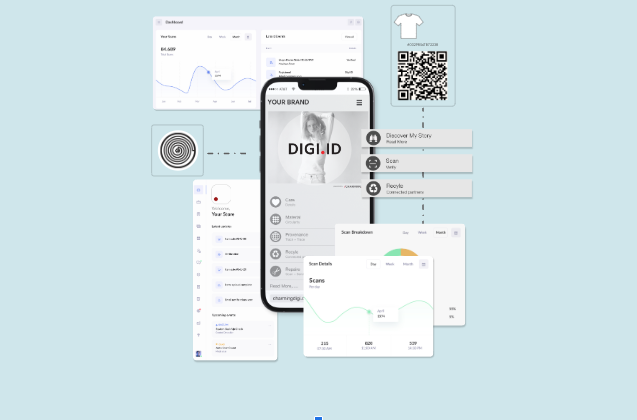
.png?width=30&name=Untitled%20design%20(16).png) Andy Van Duyse
Andy Van Duyse