In supply chain terms, sustainability is akin to ultimate resource management. Sustainability ensures balanced supply and demand for the long-term by avoiding the depletion of natural resources and maintaining ecological balance.
But what’s circularity?
Once upon a time, in a pre-Covid, less sustainability-conscious world, supply chains were linear and one-directional. They were a straight path, driving raw materials through manufacturing and warehouse distribution channels, onto the end consumer and finally, disposal.
The problem with this?
Waste.
Even when a user deems a product at the end of its lifecycle, the materials within the product still hold value. That’s the core of the circular economy.
The circular economy, defined
Circularity — also known as the circular economy — closes the loop and works in reverse order, reverting disposed products back into the manufacturing process for reuse or recycling. By recovering materials, brands optimize the value of their resources and minimize waste.
Reverse logistics become relevant when discussing circularity, as it's a nearly synonymous term. Reverse logistics refer to the actual logistic actions that enable circularity and close the loop on waste.
In short, businesses — and the planet — are happier and more productive as a result of the circular economy and its reverse logistics.
Paving the path to a circular future with sustainable return policies
Customers today have a high level of awareness when it comes to the consequences of waste on the environment. For B2C, bringing your consumers into the fold with incentive programs and a well-developed reverse logistics strategy for returns makes it easy to turn awareness into action — all while deepening relationships with environmentally-conscious consumers.
Customers, historically, have had an indelible impact on the planet and can be highly inefficient. So much so that the costs outweigh the value to be gained from thoughtful returns. But today, as the UN signals code red for humanity, the earth comes first, and the costs go well beyond the financial impacts.
Luckily, companies like Optoro, Return Logic, and Happy Returns are popping up, making it easier for companies to get started on reverse logistic programs. However, businesses should still take time to evaluate their entire supply chain for further opportunities to reduce, reuse, recycle, or refurbish.
This could mean returning packaging to the original supplier for reuse or reverting end-of-line waste back to the vendor to be recycled or reworked. And of course, products and supply chains should be designed from the get-go with sustainability and circularity in mind — because regardless of the nuances between terminology, the goal is to do more with less for the health of our planet and the good of its people.
Charming Trim can help you bring a sustainable future to reality
We’ve been at this for a while, and we know sustainability can seem like an elusive goal you’ll never quite meet. But in reality, every small action you take toward sustainability is helping the planet.
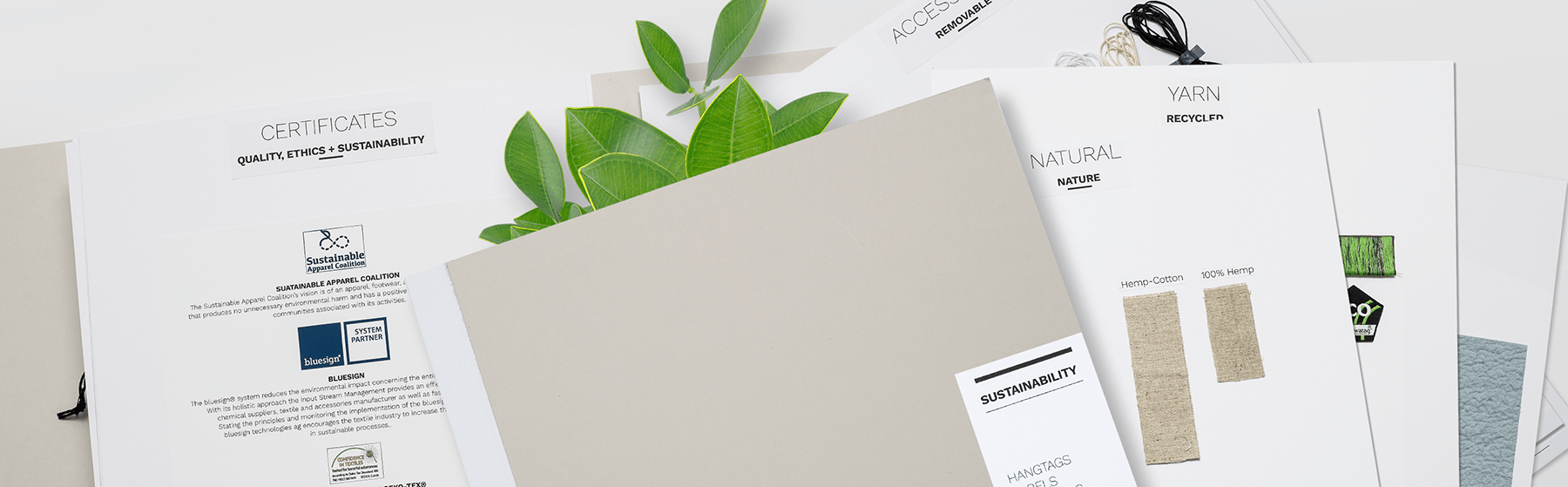
At Charming Trim, we offer a full range of products designed to bring your sustainability initiatives to life. From sustainable labels to green packaging, the Charming team wants to make it easy for you to make a sustainable future, reality.
With over 10 years of experience helping some of the biggest retail brands navigate the world of sustainability and circularity, responsibly, we can help. For more information, visit CHARMING’s sustainable trim and packaging solutions here.
Editor’s note: This content was refreshed and updated on October 31, 2024.

.png) Rich Ringeisen
Rich Ringeisen
.png)
.png?width=30&name=rich%20ringeisen%20-%20Edited%20(1).png) Rich Ringeisen : Oct 4, 2022, 12:00:00 AM
Rich Ringeisen : Oct 4, 2022, 12:00:00 AM
.png)