Textile waste and unsustainable fashion practices aren’t new concerns, but consumers, companies, and governments worldwide are increasingly recognizing the environmental, social, and economic toll.
For the first time, the United States government has released a study on the cost of textile waste, accompanied by recommendations to governmental agencies like the EPA, the U.S. Department of Energy, and the U.S. Department of State for managing it effectively.
At Charming, we’ve been champions of sustainable fashion practices for years. We firmly believe that empowering businesses to make eco-conscious choices benefits not only the planet but also their bottom line. With governments around the globe moving to enforce sustainable practices, sustainability is no longer just an ethical imperative—it’s a strategic advantage.
The hidden costs of unsustainable fashion
Charming is not alone in recognizing that sustainable practices provide a competitive market advantage. Eric Brody of Shift Advantage, with over 20 years of experience working with companies, small businesses, and non-profits, explains:
“Understanding the environmental and social impacts of your products and supply chain is critical to meeting customer demands and expectations and addressing upcoming regulatory requirements. This understanding allows your company to identify risks, costs, and impacts throughout your supply chain while uncovering opportunities for improvement and cost reduction.”
Below, we’ll explore the environmental, ethical, and economic impacts of unsustainable fashion practices.
Environmental impact
Unsustainable fashion practices harm the environment at every stage of a garment’s lifecycle. Globally, the fashion industry accounts for approximately 10% of carbon emissions.
The production of unsustainable garments generates massive amounts of greenhouse gases and consumes vast quantities of water. Additionally, dyes and production waste contaminate water sources. During use, garments made from synthetic fibers release microplastics during laundering, further contributing to plastic pollution.
The recent U.S. government report focused on the environmental impact of garments after disposal. It confirmed that lower-quality materials and rapidly changing fashion trends are driving an increase in textile waste, a problem expected to grow. As these garments decompose, they leach harmful contaminants into soil and water while releasing greenhouse gases.
Consumers and governments are increasingly aware of these issues, leading to shifts in consumption patterns away from cheap, trendy items and the introduction of more stringent regulations.
Ethical concerns
One way cheaper, lower-quality clothing remains inexpensive is through low labor costs.
At best, these garments are produced in sweatshops where workers are underpaid, overworked, and exposed to dangerous conditions, including toxic materials that harm both people and the planet. At worst, child or forced labor is used.
Widespread bans on the importation of goods produced under exploitative labor conditions underscore the critical need for sustainable and ethical production practices. These efforts are not only a moral imperative but also essential for compliance and maintaining customer trust.
Economic impact
Unsustainable fashion exploits economic loopholes like the De Minimis provision. Originally designed to allow small packages valued under $800 USD (like souvenirs) to enter the U.S. without duties or full customs checks, this provision has been misused by some companies to avoid paying taxes on bulk imports.
This loophole enables companies producing lower-quality, cheaper goods to flood the market at artificially low prices, undercutting more durable, well-made products. Additionally, goods entering under the De Minimis threshold bypass thorough customs checks, increasing the risk of unsafe or harmful materials entering the country.
Recognizing the abuse of this system, the U.S. government is taking steps to crack down on these practices, ensuring a level playing field for all.
The consumer shift
While government action is still underway, consumers have already shifted toward a sustainable mindset. Today’s buyers are redefining their purchasing patterns, prioritizing products and brands that align with their values.
Studies show that 66% of consumers are willing to pay more for sustainable goods—a percentage that rises among younger generations like Millennials and Gen Z. While low prices remain alluring, we believe value is the lynchpin of these new purchasing trends.
Value extends beyond the immediate price tag. It embodies the long-term benefits your product or service provides to the environment and society. Effectively communicating this value highlights these inherent benefits and helps your company align with the shift in consumer consumption.
The role of DPPs
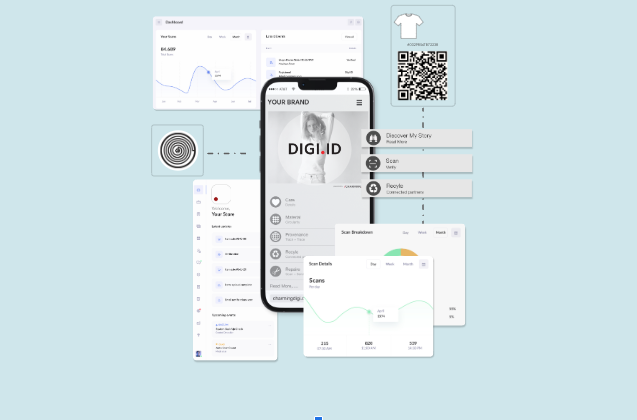
With heightened scrutiny on sustainability, companies need tools to demonstrate their environmental and ethical credentials. The Digital Product Passport (DPP) offers the perfect solution.
A DPP is a digital record containing comprehensive information about a product’s entire lifecycle, from raw material sourcing to end-of-life disposal.
Transparency and sustainability
DPPs allow businesses to showcase responsible sourcing by providing clear documentation of how raw materials are obtained, ensuring they meet ethical and environmental standards.
DPPs can also highlight the carbon footprint of manufacturing processes, enabling companies to track progress toward reducing their carbon impact. By offering verifiable proof of sustainable practices, businesses can build trust with their consumers.
Repair, resell, recycle
Digital Product Passports (DPPs) empower consumers to make environmentally responsible choices throughout a product’s lifecycle. With DPPs, your company can offer detailed instructions for product maintenance and care, helping to extend the lifespan of items, reduce waste, and promote sustainability.
DPPs can also provide guidance on proper garment disposal, including options for recycling, donation, or resale. By enabling consumers to play an active role in reducing textile waste, DPPs help companies align with the values and expectations of today’s consumers.
The business case for DPPs
Now that we understand what a DPP is and how it helps the planet let's talk about how it helps your company.
Legal compliance
As governments implement stricter regulations to address climate change and environmental degradation, companies must comply with complex legal frameworks.
In the European Union, initiatives like the EPR and ESPR require businesses to provide detailed information about their products' lifecycle, including sourcing, manufacturing, and disposal. In the United States, emerging sustainability standards and import regulations demand similar levels of transparency.
DPPs simplify compliance by embedding critical information into an accessible, standardized format. By using DPPs, businesses can efficiently meet these requirements, avoid regulatory penalties, and demonstrate proactive leadership in sustainability.
Beyond compliance, DPPs position companies to adapt quickly to future regulatory changes, ensuring long-term resilience in a shifting legal landscape.
Marketing potential
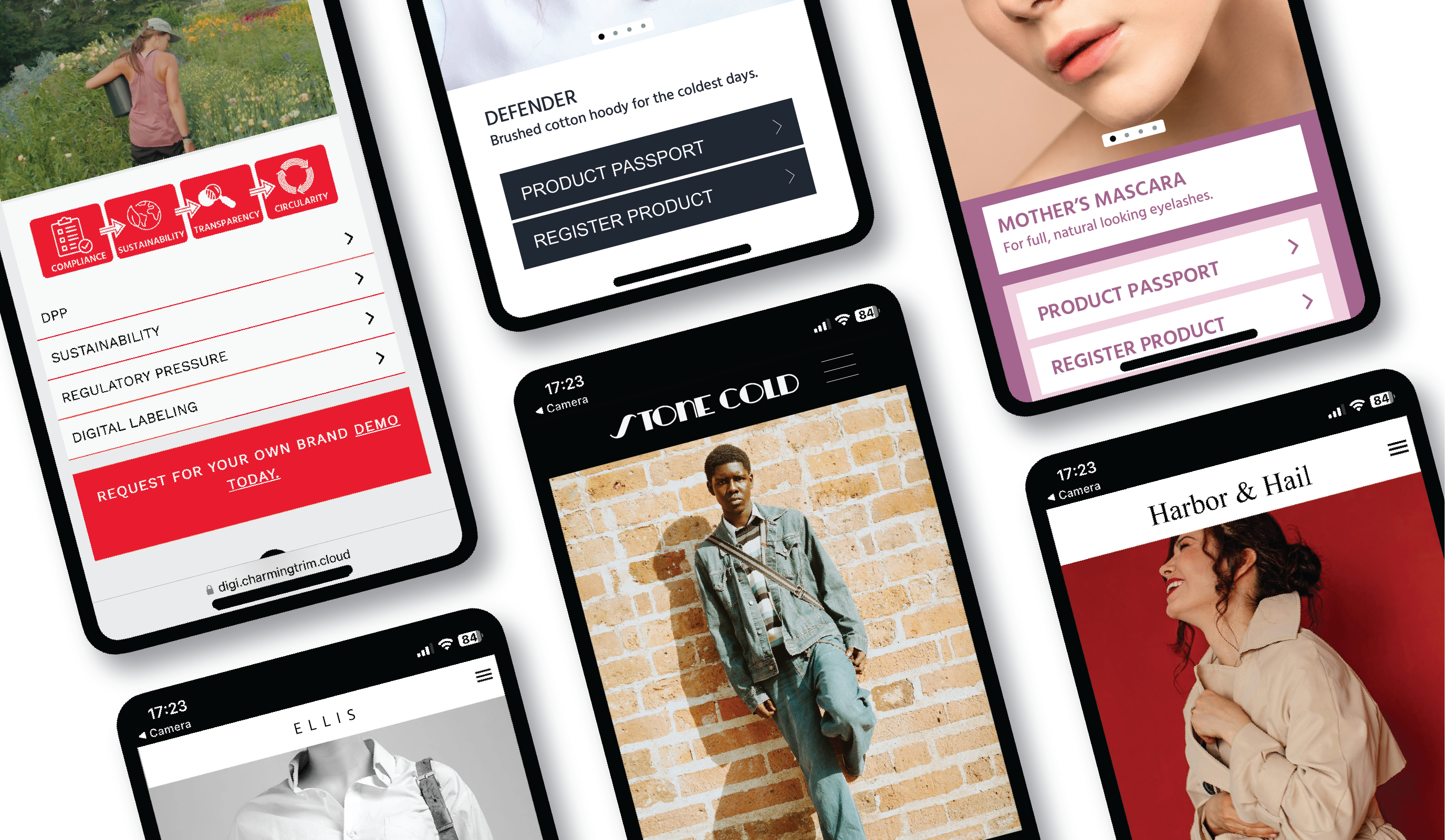
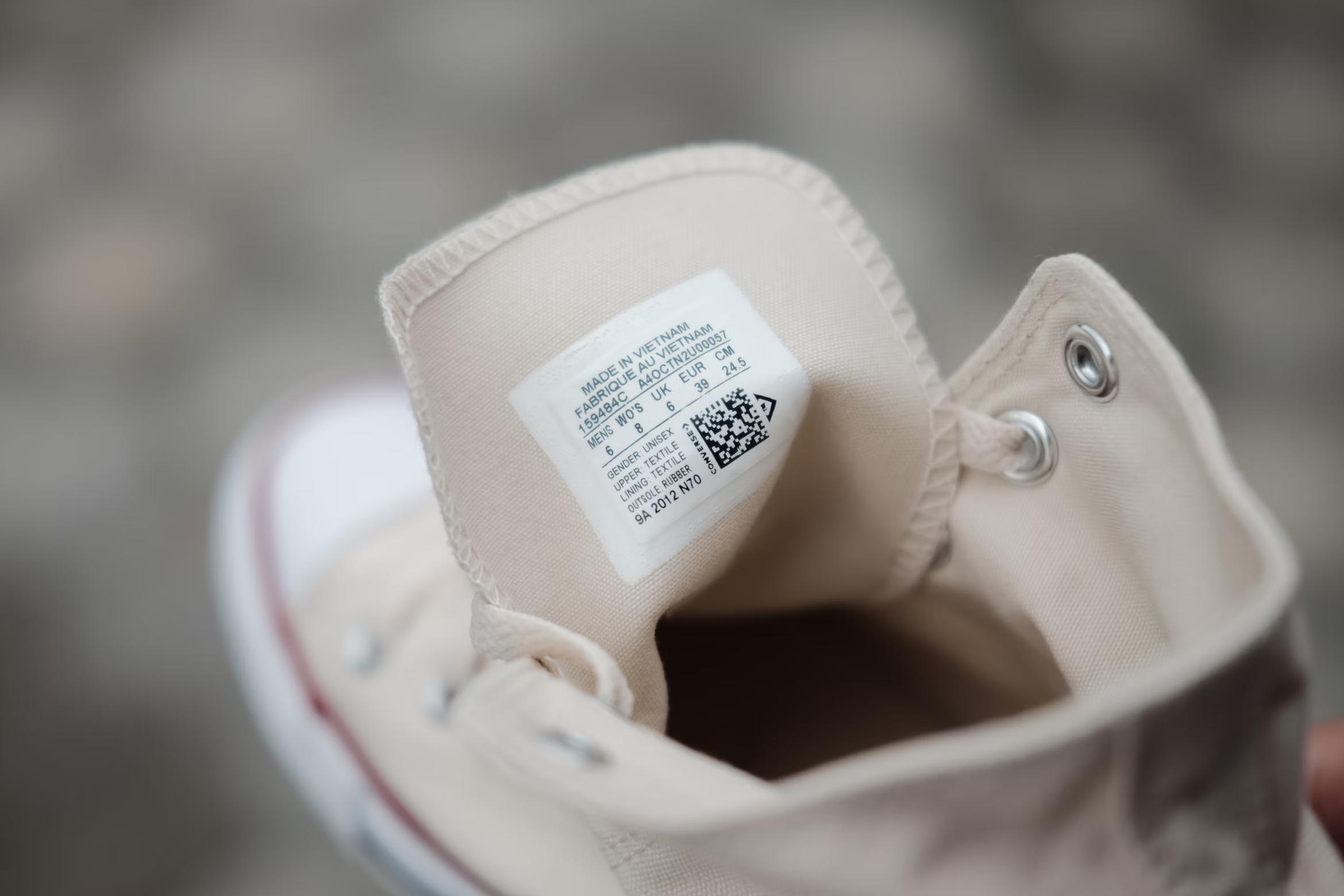
Additionally, Digital Product Passports (DPPs) establish a new level of consumer connection by leveraging accessible technology, such as QR codes. Consumers can seamlessly interact with the passport through their smartphones, accessing valuable product information at their fingertips.
This interactive experience enables businesses to share tailored product details while engaging consumers through brand storytelling and targeted marketing. DPPs also allow companies to showcase certifications that validate their sustainability claims, ensuring their brand stands apart from greenwashing competitors.
By offering transparency and authenticity, DPPs foster stronger brand loyalty. Leveraging DPPs as a marketing tool can truly be a game-changer.
DPP’s full value
It’s clear that a DPP is so much more than a mere label. Beyond its marketing potential, DPPs provide logistical insights through collected data.
For example, DPPs can offer insights through return statistics, helping businesses identify which garments are being returned and uncover potential design flaws based on repair data. By offering a comprehensive view of the supply chain, DPPs enable companies to evaluate and optimize their processes, align with sustainability goals, and streamline operations.
This multi-purpose solution enhances the customer experience, reduces environmental impact, ensures legal compliance, and helps to optimize supply chain and production processes.
The path forward
Sustainability isn’t just a trend—it’s the future for businesses looking to thrive in a rapidly changing world. Are you ready to take the next step? Schedule a consultation with us today and start moving toward a more sustainable and successful future.

 Neil Greenhalgh

.png?width=30&name=rich%20ringeisen%20-%20Edited%20(1).png) Rich Ringeisen : Dec 14, 2021, 12:00:00 AM
Rich Ringeisen : Dec 14, 2021, 12:00:00 AM
.png?width=30&name=Untitled%20design%20(16).png) Andy Van Duyse
Andy Van Duyse