Managing item returns is a significant challenge for retailers. In 2024, merchandise returns totaled $685 billion, representing 13.2% of all retail sales. And, returns are only one aspect of something called reverse logistics (which also includes refurbishing, recycling, and disposal).
Fortunately, RFID can simplify these processes.
For example, Nike has a take-back program for sneakers that allows their consumers a 60-day wear test. Depending on the returned sneaker's condition, the sneaker may be refurbished and resold, used for parts, or fully recycled. Using RFID tracking allows Nike to ensure sneaker authenticity and streamline returns.
Let’s take a look at how RFID makes this all possible.
What is reverse logistics?
When customers return items for refunds, repairs, or disposal, the upstream movement of goods from customer to retailer to manufacturer is called the reverse supply chain.
Reverse logistics is the process of moving products through the supply chain “backwards”. This could involve items at the end of their life cycle, damaged products, or goods customers simply don’t want.
It’s important to note that, while reverse logistics refers to a certain set of processes, the way those processes are executed can vary significantly between companies.
Reverse logistic variables
Reverse logistics isn’t one-size-fits-all. It’s complex and depends on several factors, like the type of product and how it’s processed. For example, a return could mean a defective product, an end-of-life item, or just something a customer doesn’t want anymore. Each situation requires its own solution.
Some companies handle parts of the process in-house, like refurbishing or restocking. Others outsource tasks like recycling, or even the entire process, including disposal, to third parties, sometimes involving wholesalers.
Regardless of your company's approach, two things are essential for success: a system to accept and process returns and a way to guide items to their next destination—be it resale, refurbishment, recycling, or disposal.
Benefits of reverse logistics
While optimizing your reverse logistics may require an initial investment, it pays off financially and environmentally in the long run.
Cost recovery: Returns don’t have to mean losses. With the right system, businesses can recover costs through resale or recycling.
Many returned items are in brand-new condition, and an effective reverse logistics system ensures they can be quickly processed and available for resale. For items that can’t be immediately resold, repairing them or recovering materials offers another way to recoup costs.
Environmental benefits: Reverse logistics reduces waste and keeps items out of landfills. Giving garments a longer life or finding ways to reuse materials is also better for the planet than creating something new from scratch. Plus, it reduces production waste, saving energy and cutting carbon emissions along the way.
RFID’s role in reverse logistics
Regardless of your company's approach, RFID tags paired with a great RFID management system, like TrueCount by Charming, can transform how you handle reverse logistics—helping you reap the financial and environmental benefits.
1. Efficient item identification
RFID tags are designed to make item identification seamless and accurate. Each tag has a unique identifier and can store important details like product type, origin, or condition.
When scanned by an RFID reader, this data is instantly retrieved wirelessly. No hunting for a tag or awkwardly trying to align with a poorly placed barcode is needed.
2. Streamlined collection
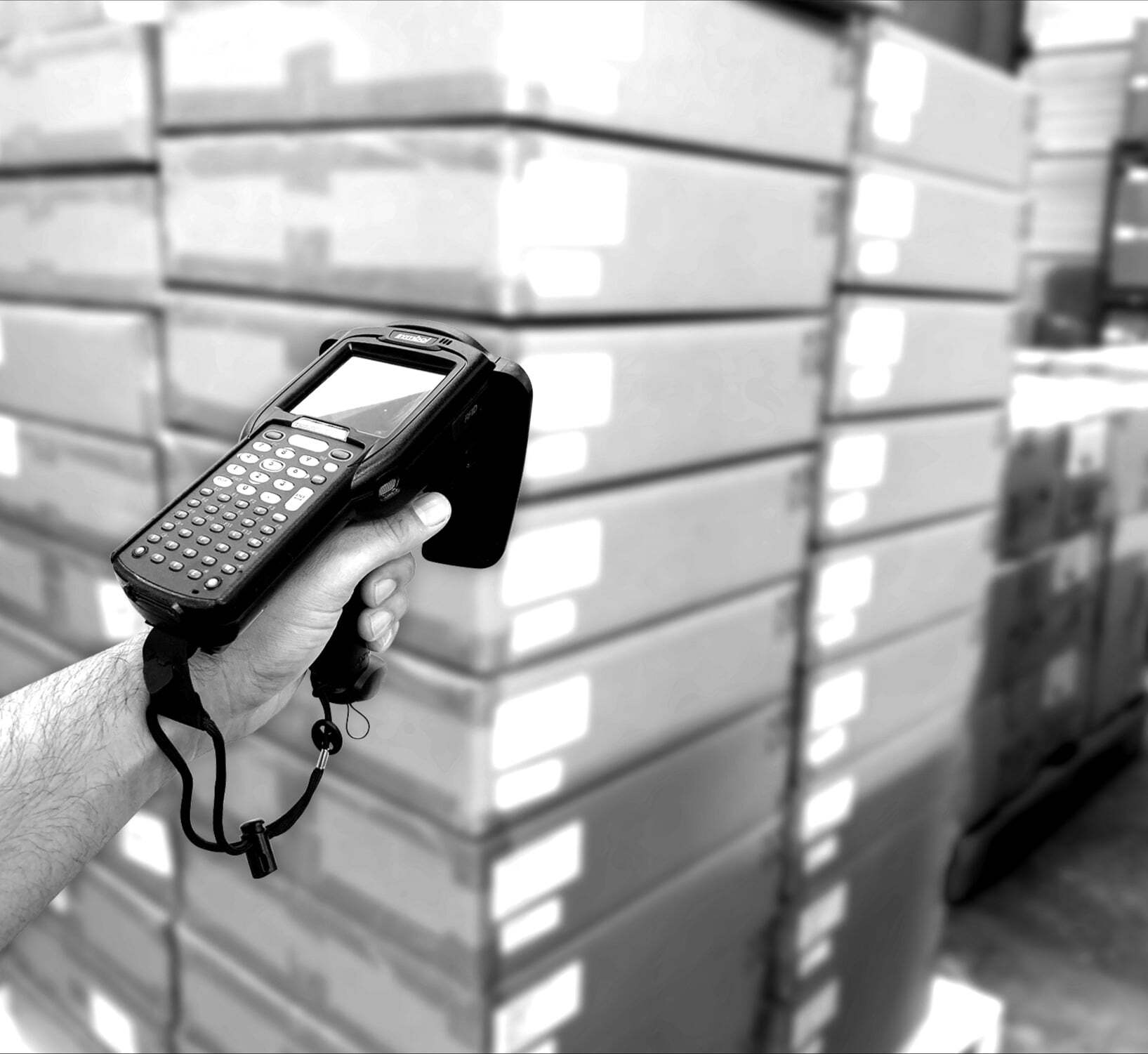
Because RFID doesn’t need a direct line of sight, it makes scanning multiple items at once a breeze, saving both time and effort. Picture your customers dropping off returns, and in mere seconds, an RFID reader processes everything effortlessly.
On top of that, the process can be entirely automated, reducing manual labor and error.
3. Fraud prevention
RFID helps verify returns and prevents unauthorized refunds. It’s also great for authenticating high-value items, like designer goods, that are often targets for counterfeits. This builds trust and protects your bottom line.
4. Efficient routing
RFID tags can carry info about an item’s condition and destination, helping systems route items to the right place—be it recycling, resale, or donation. Automated systems like conveyor belts or robotic sorters make this process even faster and more precise.
5. Data collection for optimization
RFID doesn’t just help with logistics—it provides insights. Using RFID enables you to track trends, spot inefficiencies, and fine-tune your reverse logistics for better results and happier customers.
Optimizing your reverse logistics with RFID
RFID has been optimizing the traditional supply chain for years, and now it’s proving to be a game-changer for reverse logistics as well.
Want to see how RFID can optimize your reverse supply chain? Schedule a consultation with us today to explore how TrueCount by Charming can tailor solutions to your unique logistical challenges.

.png) Rich Ringeisen
Rich Ringeisen
.png?width=30&name=CT%20SLASH%20(1).png) CHARMING STAFF : Sep 17, 2025, 12:00:00 AM
CHARMING STAFF : Sep 17, 2025, 12:00:00 AM
.png?width=30&name=rich%20ringeisen%20-%20Edited%20(1).png) Rich Ringeisen
Rich Ringeisen