Walk into any store or scroll through any brand’s website, and you’ll see a familiar pattern: words like “compostable,” “eco-friendly,” and “carbon-neutral” everywhere. They sound great — but what do they actually mean?
The truth is, many of these terms are used loosely, with little regulation or clear definitions. Some sound far more impactful than they are, while others are so overused they’ve lost meaning altogether. For brands, using these terms without clarity risks confusing consumers or accusations of greenwashing.
In this post, we’re unpacking the most common sustainability buzzwords, explaining what they mean, and helping you spot where the gaps between perception and reality can trip brands up.
How buzzwords are useful
When the sustainability conversation first began, it mainly focused on protecting the environment, reducing pollution, conserving resources, and using “green” materials. Over time, that definition has expanded.
Today, sustainable production isn’t just about the planet; it’s about the people too. It includes safe labor practices, consumer safety, and reducing long-term impact.
This newer definition reflects a more holistic understanding of what sustainability actually means. But it also makes accountability harder. The broader and fuzzier the definition, the easier it is for companies to make sweeping claims without much substance.
This is why sustainability buzzwords like “recyclable” can be both helpful and tricky. They spotlight specific areas where a company might truly be making progress, but overuse (and misuse) has drained them of clarity.
Misconceptions vs. reality
| Term |
What consumers think |
What it really means |
| Compostable |
Breaks down anywhere, even at home |
May break down at home, but usually requires industrial composting |
| Biodegradable |
Disappears into nature quickly and harmlessly |
Takes a long time to break down, often leaving behind microplastics or leaching contaminants |
| Carbon-neutral |
No carbon emissions |
Actual emissions are often unchanged or only slightly reduced, with most reductions coming from offsets |
| Recyclable |
Can be easily tossed in a bin and recycled |
Many “recyclable” items end up in the landfill because they are not widely accepted |
| Recycled |
Entirely made from recycled or reused content |
Often blends a small percentage of recycled content with virgin materials. |
| Zero-waste |
Nothing goes to the landfill |
Usually means minimizing waste, often just in certain operations |
How to create clarity
This gap between perception and reality is becoming increasingly clear to consumers. While these terms are often misused, your company shouldn’t shy away from them or miss the chance to highlight genuine sustainability efforts. If your brand is doing the work, showcase it.
One of the best ways to do this is through eco-certifications. They provide clear, standardized definitions for sustainability claims and are verified by third parties, giving your messaging credibility.
How Charming can help
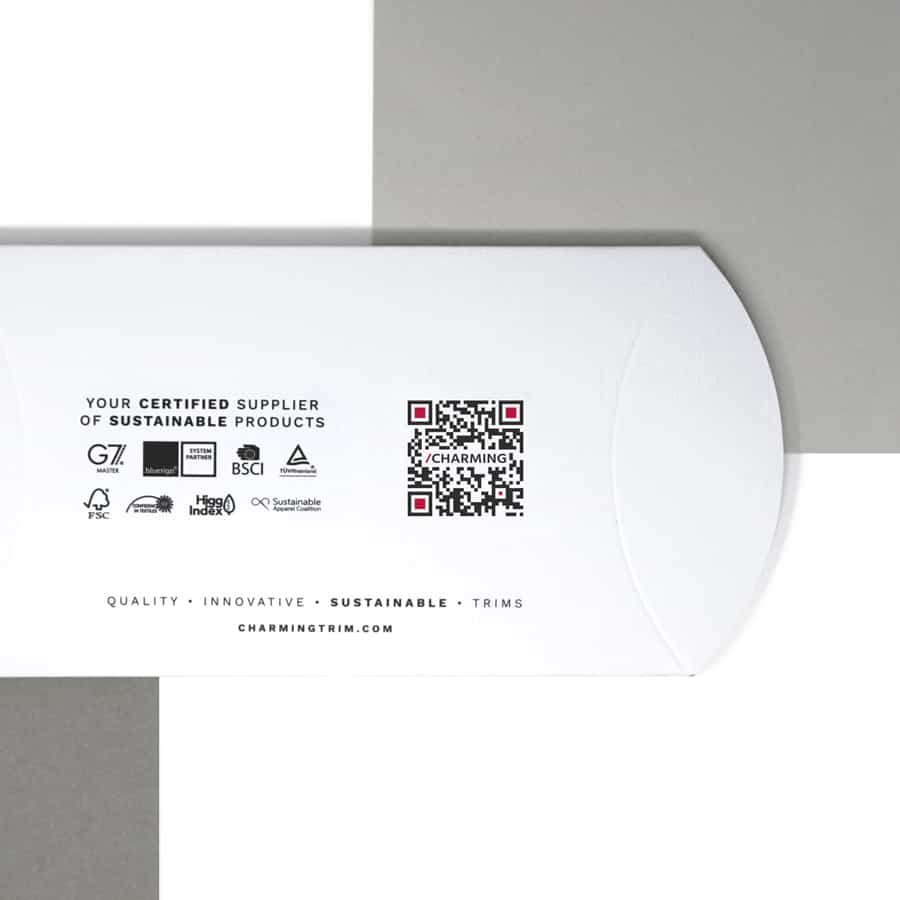
As a company committed to sustainability, Charming prioritizes transparency and holds a range of eco-certifications to back up our claims. Charming offers trim and packaging options with varying eco-impacts, and we’ll walk you through each one so your brand can make informed, confident choices.
Want your packaging to be more than a buzzword? Let’s talk about sustainable solutions that deliver real impact and a clear story your customers can trust.

.png) CHARMING STAFF
CHARMING STAFF
.png)
.png?width=30&name=rich%20ringeisen%20-%20Edited%20(1).png) Rich Ringeisen : Jan 17, 2025, 12:00:00 AM
Rich Ringeisen : Jan 17, 2025, 12:00:00 AM
.png)