Every year brings a new set of industry terms you’re expected to understand and use fluently. Some become genuinely useful. Others linger without ever fully settling into a shared meaning. Smart packaging falls somewhere in between.
Smart packaging is an umbrella term that describes packaging that incorporates technology to add functionality beyond protection and branding. Traditionally, it’s divided into two categories:
- Active packaging interacts with the product itself. It might absorb moisture, filter light, or slow degradation.
- Intelligent packaging focuses on monitoring the environment or communicating through sensors or indicators.
These categories are helpful for mapping the packaging landscape, but they group together a variety of technologies with very different goals. For example, a large portion of active packaging is centered on food preservation and is highly industry-specific.
That raises a more practical question: which parts of smart packaging are actually relevant, and what should teams prioritize?
Where teams should start looking: connected packaging
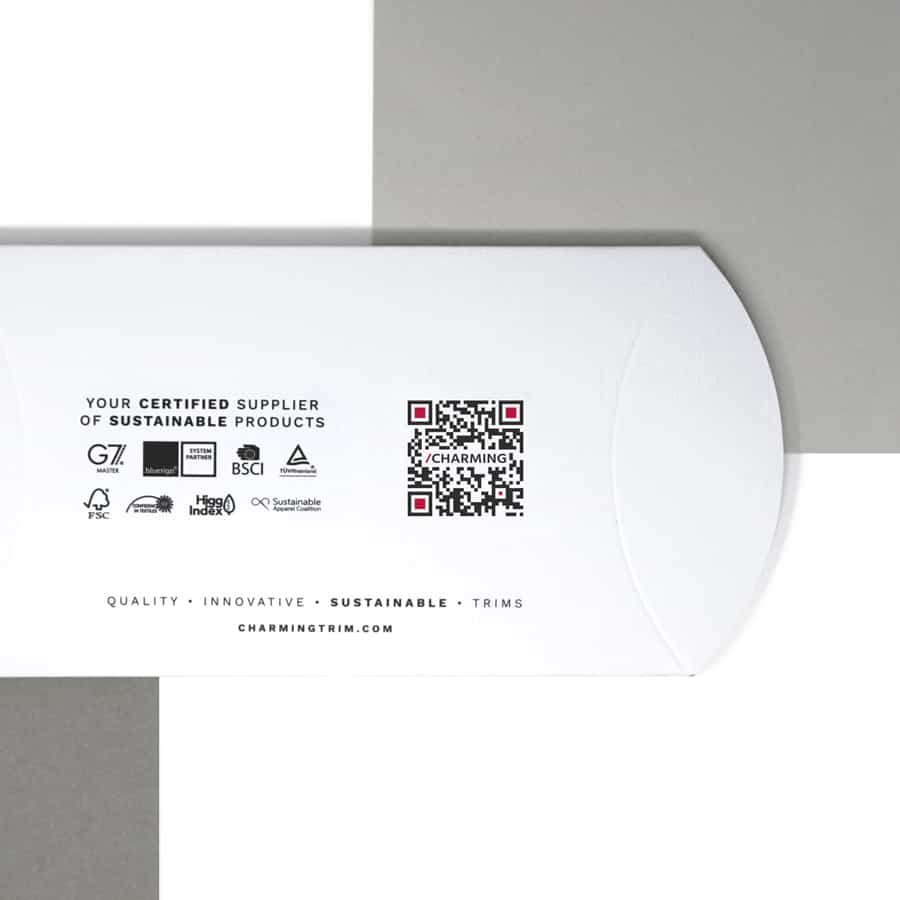
While the right approach to smart packaging depends on specific goals, connected packaging is often a great place to start looking. Connected packaging focuses on access. A physical product becomes a gateway to digital information through a set trigger, usually a scan or a tap. It can support either consumer-facing experiences or operational needs.
Below are some of the most common forms of connected packaging and how to maximize value with each.
QR codes
Function: Printed codes that link to a digital destination when scanned with a smartphone.
Common use cases: Campaigns, product information pages, care instructions, storytelling, and short-term activations.
How to maximize value: Treat QR codes as flexible entry points, not static links. Point them to destinations that can be updated over time and maintained beyond a single campaign, so the connection stays useful.
Near Field Communication (NFC)
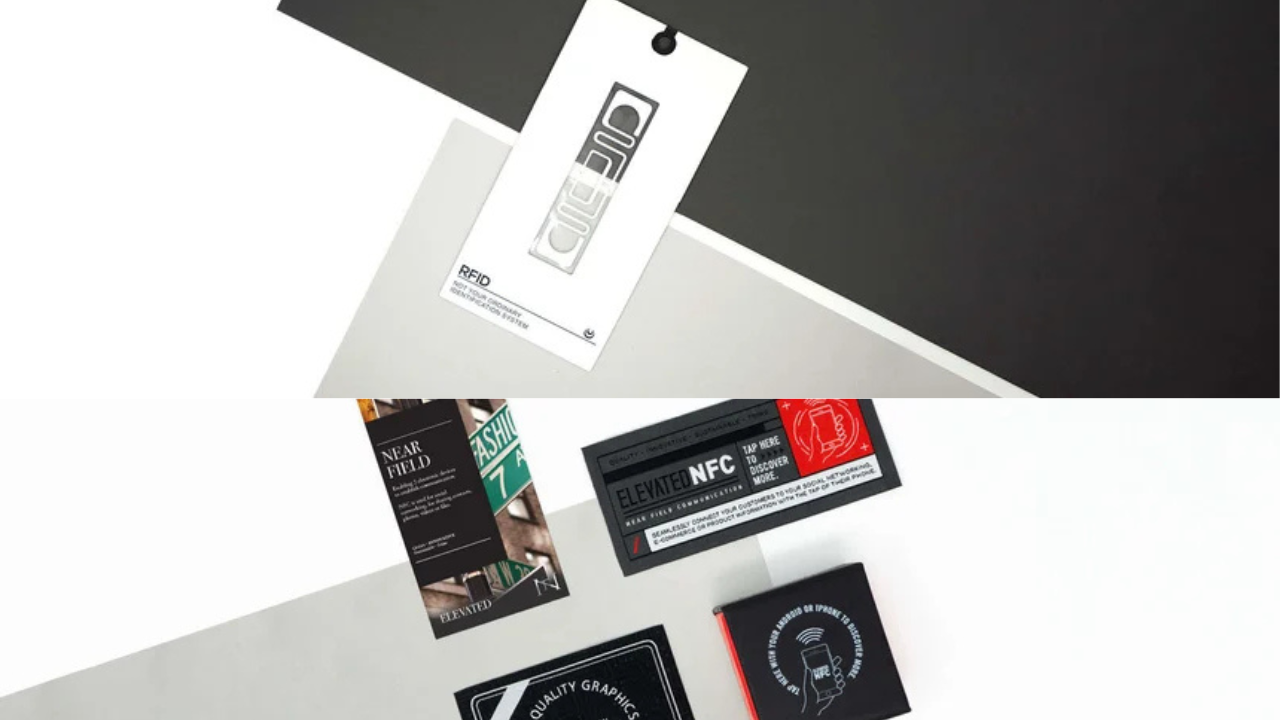
Function: NFC enables direct interaction between a product and a smartphone through a tap.
Common use cases: Authentication, access to digital product passport, care guidance, resale support, and post-purchase engagement.
How to maximize value: Design for repeat use. NFC delivers the most value when it supports evolving information and multiple touchpoints rather than a one-time interaction.
Radio Frequency Identification (RFID)
Function: RFID enables non-line-of-sight identification using radio waves, allowing items to be read automatically and at scale.
Common use cases: Inventory accuracy, operational visibility, traceability across systems, and alignment between physical items and digital records.
How to maximize value: Focus on consistency and integration. RFID works best when the same identifier is used across partners and tied to structured product data instead of siloed operational systems.
What smart packaging is not
Even with clear starting points, many teams hesitate to move forward because of common misconceptions about what smart packaging requires.
Smart packaging is not exclusive to luxury products
While luxury and high-end brands were early adopters of some smart packaging technologies, they’re far from the only ones using them at scale. Large retailers like Walmart have been major pioneers of RFID, using it to improve inventory accuracy across massive assortments.
More recently, companies like Amazon have explored connected packaging that prompts or automates reordering when customers begin to run low on everyday items. Smart packaging isn’t limited by price point—it’s driven by use case.
Smart packaging is not always expensive to implement
There’s a wide range of costs associated with different smart packaging approaches. Some options are very lightweight to implement. QR codes are one of the most cost-effective ways to add digital connectivity and create a direct link to consumers.
Other technologies, like RFID, do require upfront investment. But they often deliver long-term savings through improved inventory accuracy, reduced shrink, and more efficient operations.
Smart packaging is not a nightmare for manufacturers
While not every manufacturer is set up to incorporate smart packaging today, many see it as a natural evolution rather than a disruption.
For companies like Charming, supporting connected trims, labels, and data-enabled components is part of staying aligned with where the market is heading and helping clients move there.
If smart packaging is on your radar and you’re starting to explore options, you’re always welcome to chat with the Charming team. We’re happy to talk through questions, share what we’re seeing, and help you think through next steps when the timing feels right.

.png) Rich Ringeisen
Rich Ringeisen
.png?width=30&name=CT%20SLASH%20(1).png) CHARMING STAFF : Jun 6, 2025, 12:00:00 AM
CHARMING STAFF : Jun 6, 2025, 12:00:00 AM