It’s not news that the retail landscape is now driven by the digital-savvy who seemingly have limitless shopping and buying opportunities at their fingertips. The way they discover, find and receive products has been evolving at a rapid pace in the last decade.
As consumer behaviors have changed, retailers are left to make the decision: will they change their processes and swim, or keep things as they are and face sinking in 2025 markets? Here are the three major consumer behavior shifts that have happened — and how brands can respond.
The rise of digital savviness
It’s no surprise that, in the last decade, consumers are spending more and more time online — and this reflects clearly in purchasing behavior. In fact, online purchases make up 16% of all purchases in the United States — a number that closely resembles the ratio of online purchases made during COVID-19.
But consumers’ digital savviness extends beyond purchasing behavior. There’s a growing expectation to see companies represented on social media. Nearly 70% of consumers enjoy following and engaging with brands on social, so companies that aren’t “getting with the times” are leaving money on the table.
Paid media, founder-led thought leadership, and short-form video are all ways brands can engage with social media to reach new audiences.
Tip: Before you invest thousands in different social media channels, take time to research what platforms your customers spend the most time on. Start with one channel and build it up before moving on to multiple channels.
Personalization as an expectation — not a bonus
As technologies develop, brands are getting more comfortable with personalization — and now customers expect it! According to Forbes’ State of Customer Service & CX Survey, 70% of customers find it important that employees know who they are, their purchase history, and as a result, personalize their shopping experience. And a whopping 81% of customers prefer companies that offer personalization.
And consumers expect more than just an email addressed to their name. Instead, they are seeking personalized discounts, product recommendations, and omnichannel shopping experiences. So if you’re sticking to the bare minimum — or worse, not personalizing at all — it’s time to get started.
Tip: Personalization is easier than ever with present-day technology, but if you’re still using outdated tools, you’re going to have a hard time keeping up. Take time to research what personalization capabilities you have in your present day CMS and, if necessary, consider an upgrade.
Omnichannel shopping
Once again, the rise of the mobile device has led to a shift in consumer expectations. Rather than siloing experiences between in-store and online, customers are looking for an omnichannel approach to shopping. Rather than keeping eCommerce and in-person shopping separated, customers expect to be able to leverage both for a cohesive experience.
Salesforce cited that consumers report their #1 frustration with companies to be disconnected experiences. They expect to be able to:
- Order online and pickup in-store
- Bring in online coupons to the store
- See the same prices online as they do in person
- Reserve online & try on in-store
- Keep consistent profiles across channels
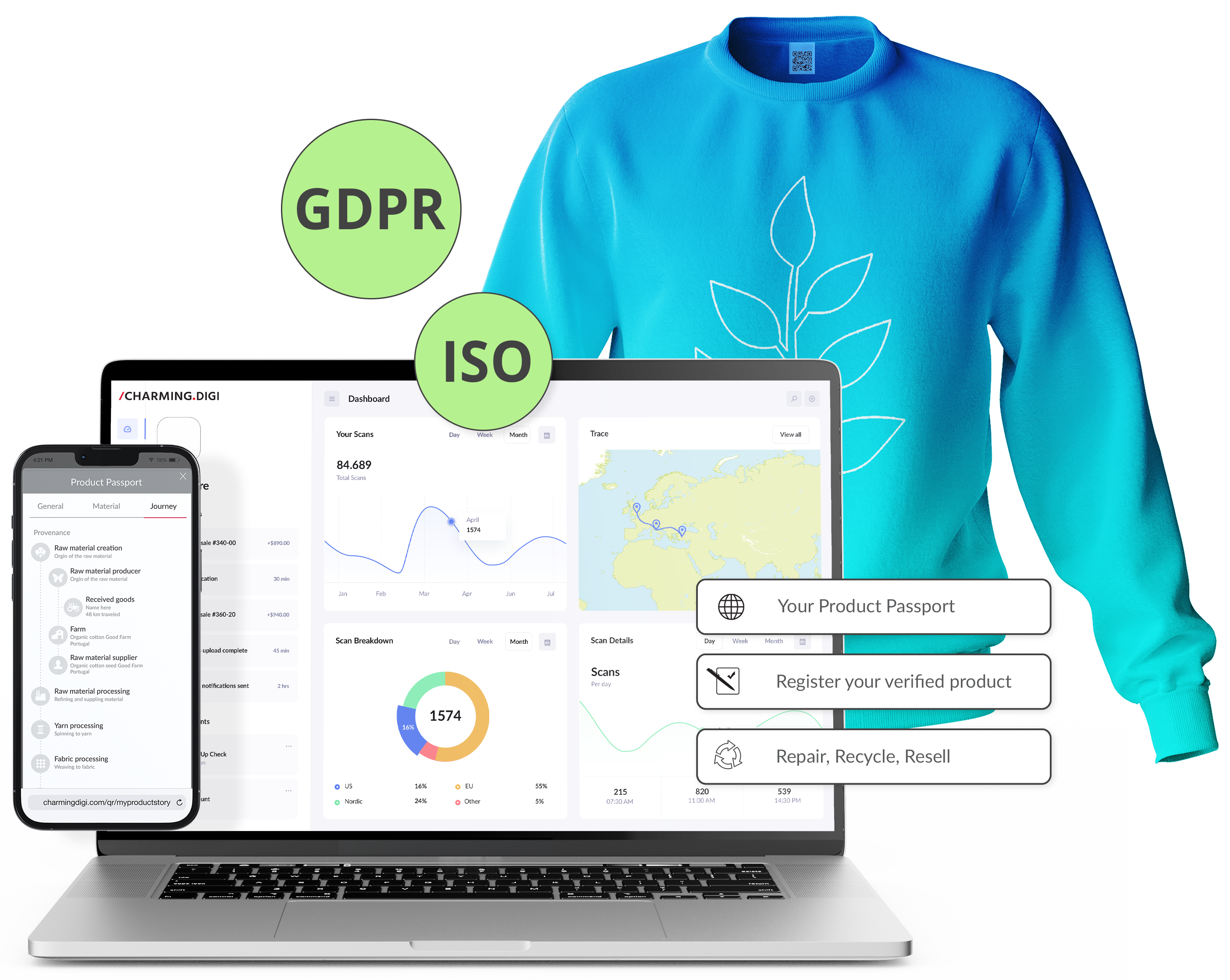
Tip: Technology like the digital product passport is bridging the gap between in-store and online experiences. By scanning a physical QR code on garment labels, customers can access a portal of information about their garment, from its journey to its care instructions. To learn more about the product passport, head over to our Charming.Digi page.

.png) CHARMING STAFF
CHARMING STAFF
.png?width=30&name=CT%20SLASH%20(1).png) CHARMING STAFF : Oct 11, 2024, 12:00:00 AM
CHARMING STAFF : Oct 11, 2024, 12:00:00 AM
.png?width=30&name=rich%20ringeisen%20-%20Edited%20(1).png) Rich Ringeisen
Rich Ringeisen