A label used to contain two pieces of simple information: the garment’s size and its care instructions.
And for many brands, that hasn’t changed. But as innovation has continued in packaging and trims, luxury brands have started to lead the way for making the most of smart label technology.
The good news?
Innovative labels aren’t exclusive. Any brand can build a label that does more than relay basic information. Luxury brands have figured out how to upgrade the humble care label, and here’s what everyone should be learning from them.
The label as an operations tool
One of the quieter ways a smart label improves the shopping experience isn’t customer-facing. Luxury brands have begun embedding RFID tags in labels and hangtags, giving them a full picture of their supply chain and inventory, down to an extremely granular level.
For shoppers, that shows up in small ways that really matter. When someone asks if a jacket comes in a medium, the salesperson can know exactly what stock is available. When a size sells out on the floor, it gets restocked faster because the system flagged it.
Burberry connected their in-store and online inventory through RFID so customers shopping either channel aren't running into availability surprises. Then, Ralph Lauren took this a step further in their Manhattan flagship, where RFID readers in the fitting rooms identify whatever you've brought in and show you available colors and sizes on a screen before you've said a word.
A smart label brings smoother operations, while providing a modern and improved customer experience.
The label as a resale tool
Luxury brands have been fighting counterfeits for decades. The tools they built to handle that problem are now, almost accidentally, exactly what every brand needs for the resale market.
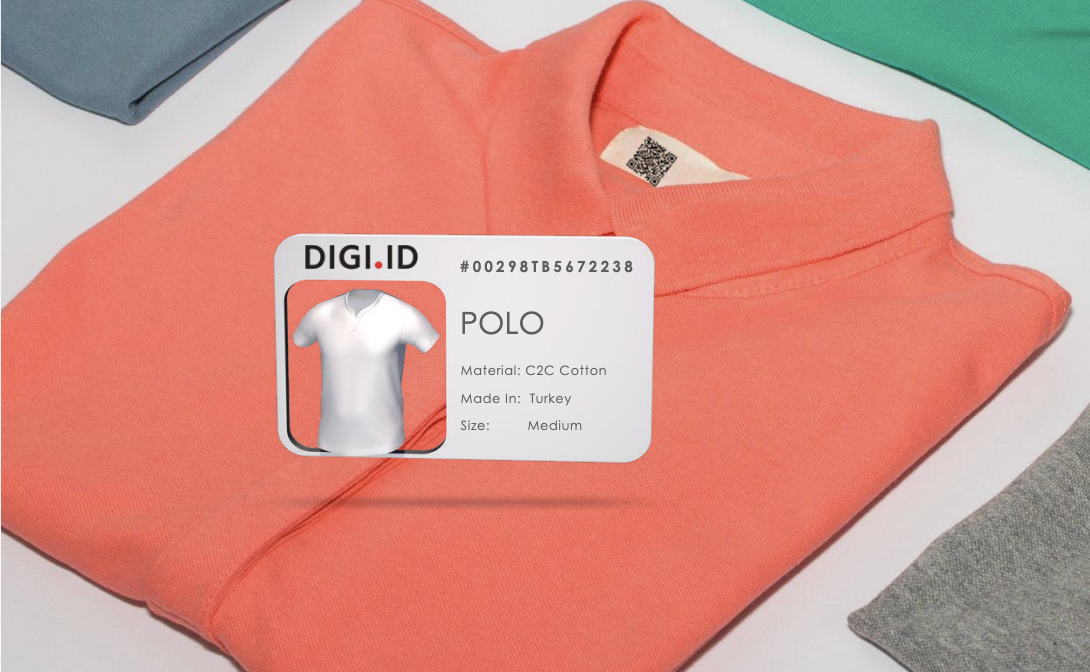
When a garment has a unique digital identity embedded in it at production, that identity travels with the product. Everyone benefits.
- A resale platform can scan it and confirm the item is what the seller says it is.
- A buyer can check it before they purchase.
- The brand stays connected to the product even after it changes hands.
Louis Vuitton moved away from date codes in 2021 and started embedding RFID chips in the lining of their leather goods, with each chip storing production details on a private blockchain. Moncler put RFID chips in every product starting with their 2016 collection, letting customers verify authenticity by scanning with their phones.
These brands built this for counterfeiting reasons, but the same infrastructure now supports something bigger: the secondhand market. ThredUp's 2025 data shows that more than 60% of retail executives expect resale programs to be a standard offering within five years. One in three consumers already says they think about resale value when buying new clothing.
A smart label means your brand stays attached to a garment through its whole life, not just through the first sale. That's worth building for.
The label as a marketing channel
This is where the gap between luxury and everyone else is the most visible, and also where the opportunity is biggest.
After someone buys something, most brands go quiet. The receipt is in their email, the tag gets cut out, and that's it. Luxury brands figured out that the label is actually a free line back to the customer you already paid to acquire.
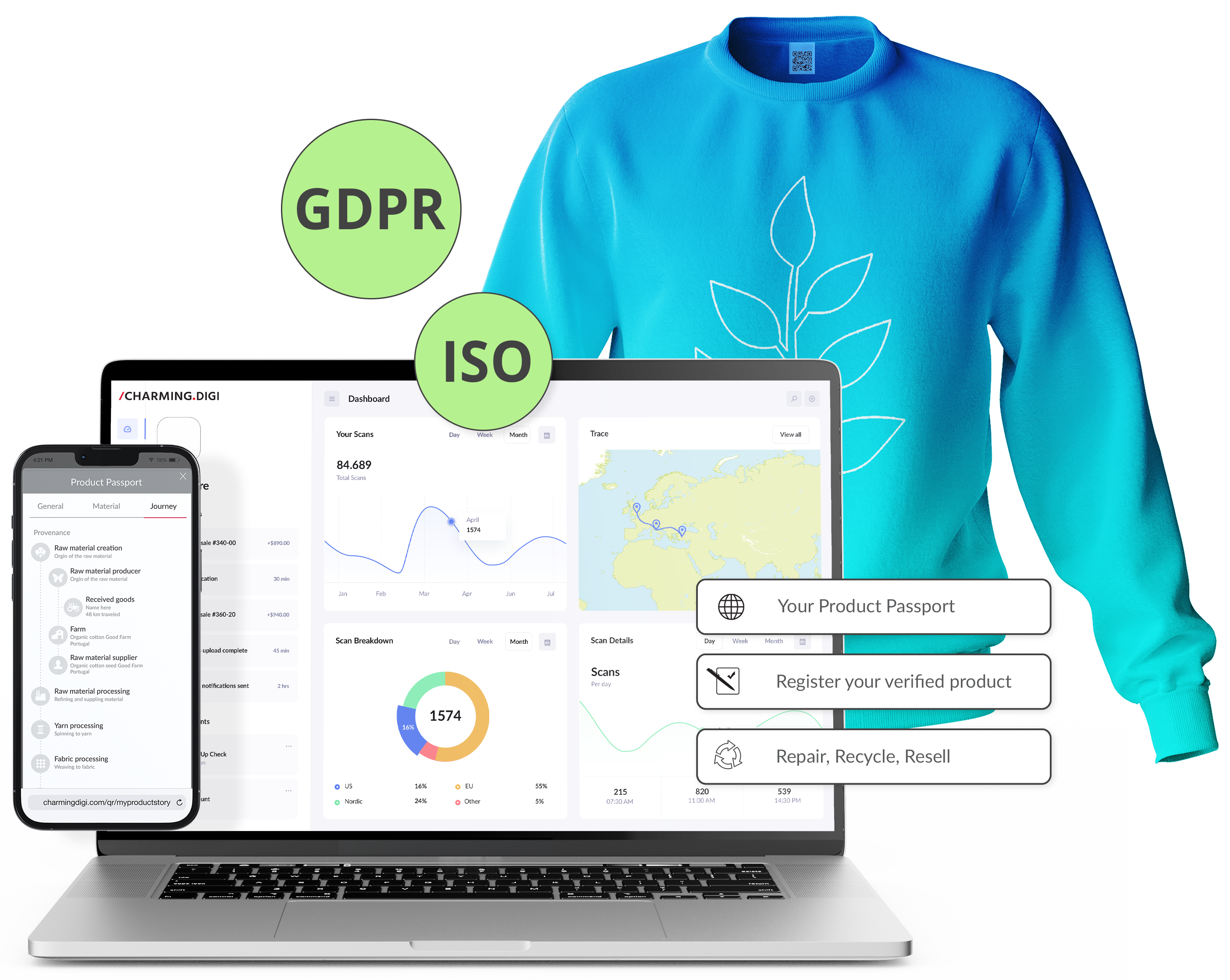
A QR code on a hangtag or care label can connect a customer to almost anything: care instructions, styling ideas, the story behind the materials, a repair guide, an invitation to register the product, a new collection drop, an exclusive offer.
The customer scans it six months after buying because they want to know how to wash something, and they end up spending five minutes with your brand.
Burberry put QR codes on every product in their Shenzhen social retail store, and when customers scanned them through WeChat, they got interactive content and detailed product information. Ralph Lauren’s QR codes went as far as delivering style recommendations alongside authentication when scanned.
The label becomes a channel that keeps working long after the product leaves the store. Most brands aren't using it that way yet.
You don’t have to be a luxury brand
Luxury brands built this infrastructure because they had specific reasons to: counterfeit problems, high expectations from customers who spend a lot, and loyal customer bases worth maintaining. But the tools are the same ones every brand needs now, whether that's for DPP compliance, for competing in the resale market, or for staying in touch with customers after the sale.
A smart label doesn't require a $1,200 price tag on the product, but it requires the right setup at production.
Charming builds labels and hangtags with RFID and QR capabilities for brands at every level. If you want to talk through what a smart label program could look like for your line, reach out to our team here.

.png) Rich Ringeisen
Rich Ringeisen
.png?width=30&name=CT%20SLASH%20(1).png) CHARMING STAFF : Oct 11, 2024, 12:00:00 AM
CHARMING STAFF : Oct 11, 2024, 12:00:00 AM
.png?width=30&name=Untitled%20design%20(16).png) Andy Van Duyse
Andy Van Duyse.png)