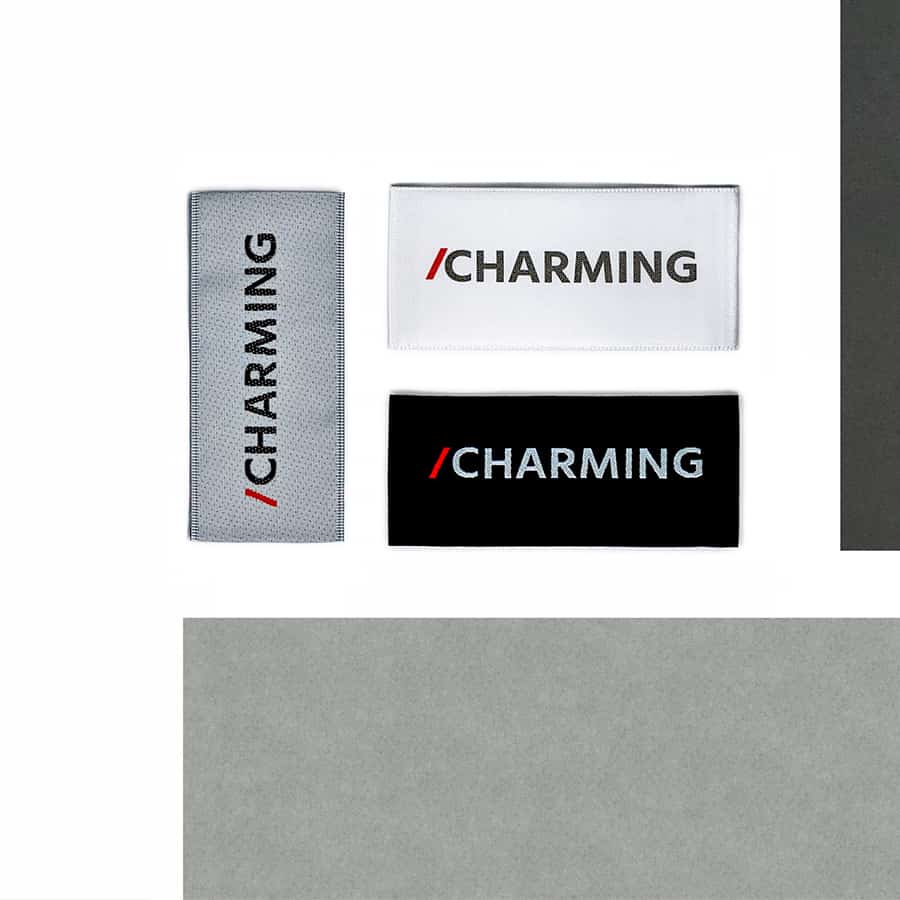
For decades, the humble care label has been a footnote, delivering basic information like fiber content and wash instructions. But Gen Z has different expectations.
They see care labels as a trusted source for thorough information about a product’s lifecycle, origin, and production. Gen Zers are skeptical of vague claims and actively check labels for proof of strong environmental practices. In fact, 64% of the generation say they’re willing to pay more for products they can verify as truly eco-friendly.
That shift means the tag sewn into every garment is no longer an afterthought. It is a chance to prove credibility from the moment consumers pick up the product.
What they want to know
Gen Z shoppers want clarity, not buzzwords.
If a label says recycled, they expect to see the exact fiber percentage and which certifications verify it. If it says sustainable, they want details about sourcing, manufacturing, and emissions reduction. More than 30% of GenZers actively research a company’s environmental or labor policies before buying, so vague phrases won’t cut it.
Ethics and origin matter just as much. Many want to know where an item was made and under what conditions. For some, that might mean an artisan’s story; for others, transparency about factories and labor practices. Either way, the label is a trusted channel for a brand’s story.
Finally, disposal is top of mind. Clear instructions for recycling — or an option to join a brand’s take-back program — show that responsibility doesn’t stop at the point of sale.
Why it matters to them
Gen Z isn’t just curious. They’re skeptical.
This generation has grown up surrounded by marketing claims, social media messaging, and warnings about greenwashing. As SustainabilityNext recently noted, today’s consumers quickly spot when “green labels” are nothing more than marketing.
In response, they demand proof. A 2025 report found that 67% of Gen Z rely on reviews and user-generated content to make purchase decisions. If peers carry that much weight, then the label becomes a make-or-break moment that can directly influence the purchases of many.
For Gen Z, values drive action. Every purchase is a way to live out beliefs, and a label’s guidance on how to extend a garment’s life, resell it responsibly, or recycle it ensures that sustainability isn’t abstract; it’s actionable.
Finally, these young buyers care about their garments’ lifecycles. If a brand helps Gen Z customers get more wear out of their garments — and even resell them at higher value later — it strengthens loyalty. Repair resources, durability guarantees, and resale connections all make the label an ally in preserving both the product and the brand relationship.
How brands can respond
Meeting regulatory requirements, like the EU’s Digital Product Passport mandate, is only the starting line. To meet Gen Z expectations, brands should think about care labels as strategic assets.
Brands should consider three factors when developing their care labels:
- Prioritize durability. Labels that peel, fade, or wash out undermine the very transparency Gen Z is looking for. Woven QR code labels offer an advantage: the code is integrated into the fabric itself, remaining scannable through years of wear and washing. That makes them a reliable gateway to digital product passports and the information Gen Z is looking for.
- Deliver proof, not promises. Back up every claim with data or certification. If a label says “recyclable,” include a link to accepted recycling programs. If it highlights sustainable sourcing, reference the certification that verifies it. This approach addresses Gen Z’s well-documented skepticism and helps protect against accusations of greenwashing.
- Extend the relationship. Think of the label as the first step in an ongoing dialogue. A QR code can connect to wash tutorials, repair guides, or resale platforms. It can link to buy-back programs or disposal instructions. Done well, the label becomes a lifecycle hub, offering value long after the initial sale.
From compliance to connection
For Gen Z, a care label isn’t just a compliance checkbox. It’s an honesty test, a guidebook, and your brand story condensed into a few inches of fabric. Brands that use labels to empower buyers go beyond meeting regulations, building credibility and lasting trust.
At Charming Trim, we help apparel teams turn labels into trust signals. From compliance to storytelling, we make sure every tag earns its place in your customer’s hands. Reach out today to explore how your labels can work harder for your brand.

.png) CHARMING STAFF
CHARMING STAFF

.png?width=30&name=rich%20ringeisen%20-%20Edited%20(1).png) Rich Ringeisen : Apr 29, 2026, 12:00:00 AM
Rich Ringeisen : Apr 29, 2026, 12:00:00 AM