In a groundbreaking move, the United States has taken a serious step toward sustainability with the launch of the Slow Fashion Caucus. This first-ever congressional effort, led by Congresswoman Chellie Pingree (D-Maine) alongside Reps. Marie Gluesenkamp Perez (D-Wash.) and Sydney Kamlager-Dove (D-Calif.), was unveiled in July to address pollution and exploitation plaguing the fast fashion industry.
By prioritizing
circularity, the Slow Fashion Caucus is disrupting the "take-make-dispose" approach to production and paving the way for a more equitable and environmentally conscious future for fashion.
What is the mission of the slow fashion caucus?
Pingree stated at the June Slow Fashion Caucus press conference that the Fast Fashion Caucus aims to encourage environmentally conscious and socially responsible fashion practices. To achieve this goal, "...we can create incentives for the apparel industry and consumers to reduce natural resource consumption and engage in reusing, repairing, rewearing, and recycling textiles."
Daisy Gonzalez, campaigns director at the Garment Worker Center (GWC), stated that fast fashion's negative effects extend beyond the obvious environmental ramifications. Fast fashion represents a system that mistreats workers, both domestically and internationally. The Slow Fashion Caucus could be a step toward better conditions for garment workers who are paid low piece rates for the apparel they cut and sew.
The Fast Fashion Caucus is backed by outside groups — including American Circular Textiles, the Garment Worker Center, Al Gore's Climate Reality Project, Patagonia, and others to fight against climate change and the harmful fast fashion industry.
How will this affect current fast fashion policies?
France is the first country to pass a parliamentary ban on advertising "ultra-fast fashion," with penalties resulting in fines, while the Australian Fashion Council (AFC) is enacting a voluntary garment levy, the "Seamless Clothing Stewardship Scheme," that encourages brands to pay for created garments voluntarily and then invest said funds in sustainable practices.
While the United States seems leagues away from passing a similar legislature, members of the Slow Fashion Caucus gathered with U.S. representatives and almost all of the House Democrats in solidarity to end the de minimis exception and update administration policy.
Under this dangerous loophole, popular fast fashion brands Shein and Temu ship packages from China directly to American consumers.
According to the 2023 House report, "Temu and Shein alone are likely responsible for more than 30% of all packages shipped to the United States daily under the de minimis provision, and likely nearly half of all de minimis shipments to the U.S. from China."
The de minimis threshold was raised in 2016 before the popularity of direct-to-consumer e-commerce exploded during the COVID-19 pandemic. Now, two million packages – most of which are imported directly from China – enter the U.S. without inspection, successfully avoiding taxes and tariffs.
A letter with over 100 signatures from members of the caucus and their colleagues was sent to President Joe Biden on September 11, 2024 to express their concerns about the loophole.
New slow fashion principles
Congresswoman Chellie Pingree has raised awareness of the need to promote more sustainable textile production in the United States. Alongside Secretary Tom Vilsack, Pingree and her colleagues penned a letter to the U.S. Department of Agriculture (USDA).
They requested "..programs and authorities that can be used to support sustainable fiber production and processing; Examples of USDA funding supporting sustainable fiber production and processing; Barriers to addressing existing gaps in the sustainable textile supply chain."
The overarching ask is to incorporate sustainable fiber production and processing to create high-quality, sustainable clothing without using unregulated and forced labor.
Swapping new resources for plant and animal-based fibers, including alpaca, cotton, flax, hemp, and wool, is more environmentally friendly. Not only will clothes made from these materials last longer, but they also do not contain toxic chemicals and can be made through ethical labor practices.
Charming Trim's Commitment to Circularity
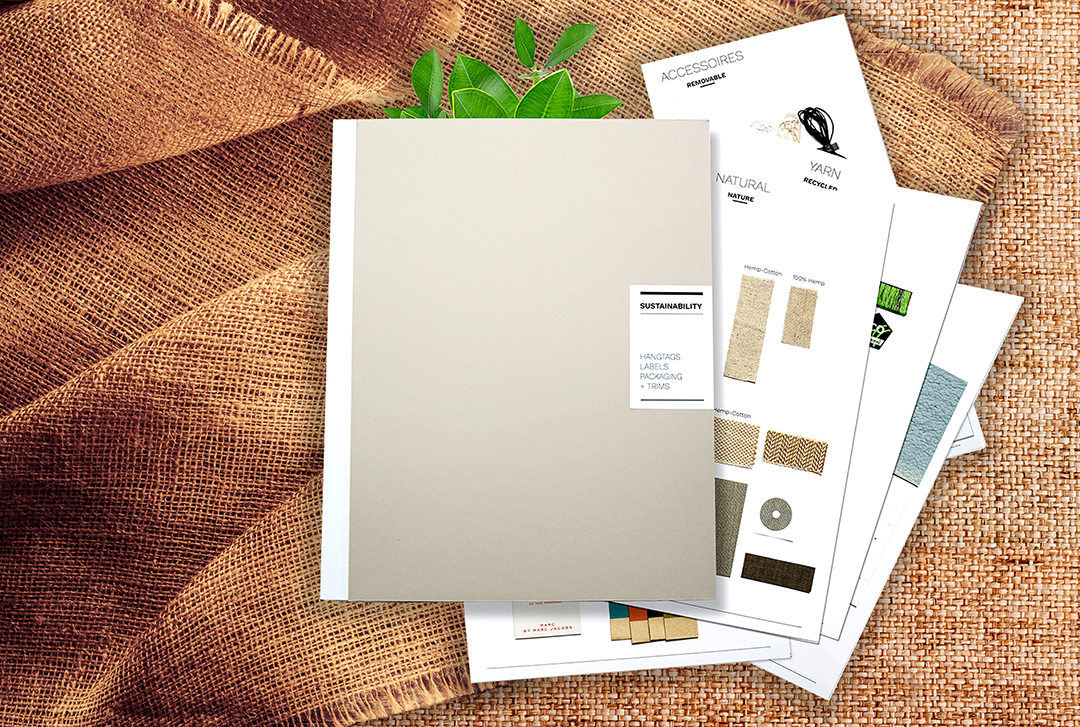
With the Slow Fashion Caucus gaining steam, the word "sustainability" will not lose its meaning. Charming Trim is part of the conversation by helping brands market their garments with sustainable and eco-friendly labels. We will also educate you on the different sustainable label options and introduce you to our greener RFID products. And how Digital labels can assist you in educating your consumer
Our perspective
I asked Charming’s President, Rich Ringeisen, to shed a bit of light on what he thinks about the solution to fast fashion. According to Ringeisen, education may be the answer.
“I’m a great supporter of de minimus reform, but I’m not sure how fast fashion taxes would be introduced or equitably enforced,” Ringeisen shared. “Consumer education is the best initial action that should be taken — the more that brands can communicate directly with their consumers, the better.”
Charming Trim can play an important role in how you educate your customers. Use Charming.DIGI as a convenient tool for bringing your buyers up to speed on your products’ journey, care, and sustainability.
Editor’s note: This content was updated on October 1, 2024.


.png) Liz Magri
Liz Magri


 Neil Greenhalgh : Feb 3, 2025, 12:00:00 AM

.png?width=30&name=rich%20ringeisen%20-%20Edited%20(1).png) Rich Ringeisen
Rich Ringeisen