The past few years have seen a steady stream of policy ideas, sustainability pressure, and changing consumer expectations. By the end of 2025, increased environmental policy was more than a thought for down the road; sustainability requirements and structured demands for data and transparency became concrete.
Instead of another wave of new regulations, 2026 is looking to be the year that companies adjust their systems. With clearer regulatory direction and rising expectations from retailers and consumers, it’s time for apparel brands to build the infrastructure they need to be compliant and competitive.
The coming year is less about the “what” and more about the “how.” Here are the big shifts we’re predicting for 2026:
1. Brands shift from monitoring policy to building processes to withstand it
The EU’s Ecodesign for Sustainable Products Regulation (ESPR) has been in progress for years but, now that it’s settled, textile and footwear companies are the first priority. This prioritization is documented in the ESPR Working Plan, which outlines why textiles are receiving elevated focus.
Throughout 2025, companies tracked the progression of delegated acts for textiles with growing attention. Analysts expect these acts — on topics like durability, repairability, and recyclability — to be finalized in early 2026, which means 2026 is the first year brands will have enough clarity to start building full compliance workflows.
Meanwhile, the destruction of unsold apparel and footwear by large retailers will be prohibited starting July 19th, 2026 (subject to certain documented exceptions).
These developments collectively move brands out of a monitoring posture and into an active stance. In 2026, brands will need to build internal processes, vendor requirements, and labeling systems that fulfill the rules rather than simply forecast them.
2. Product data matures into a long-term lifecycle asset
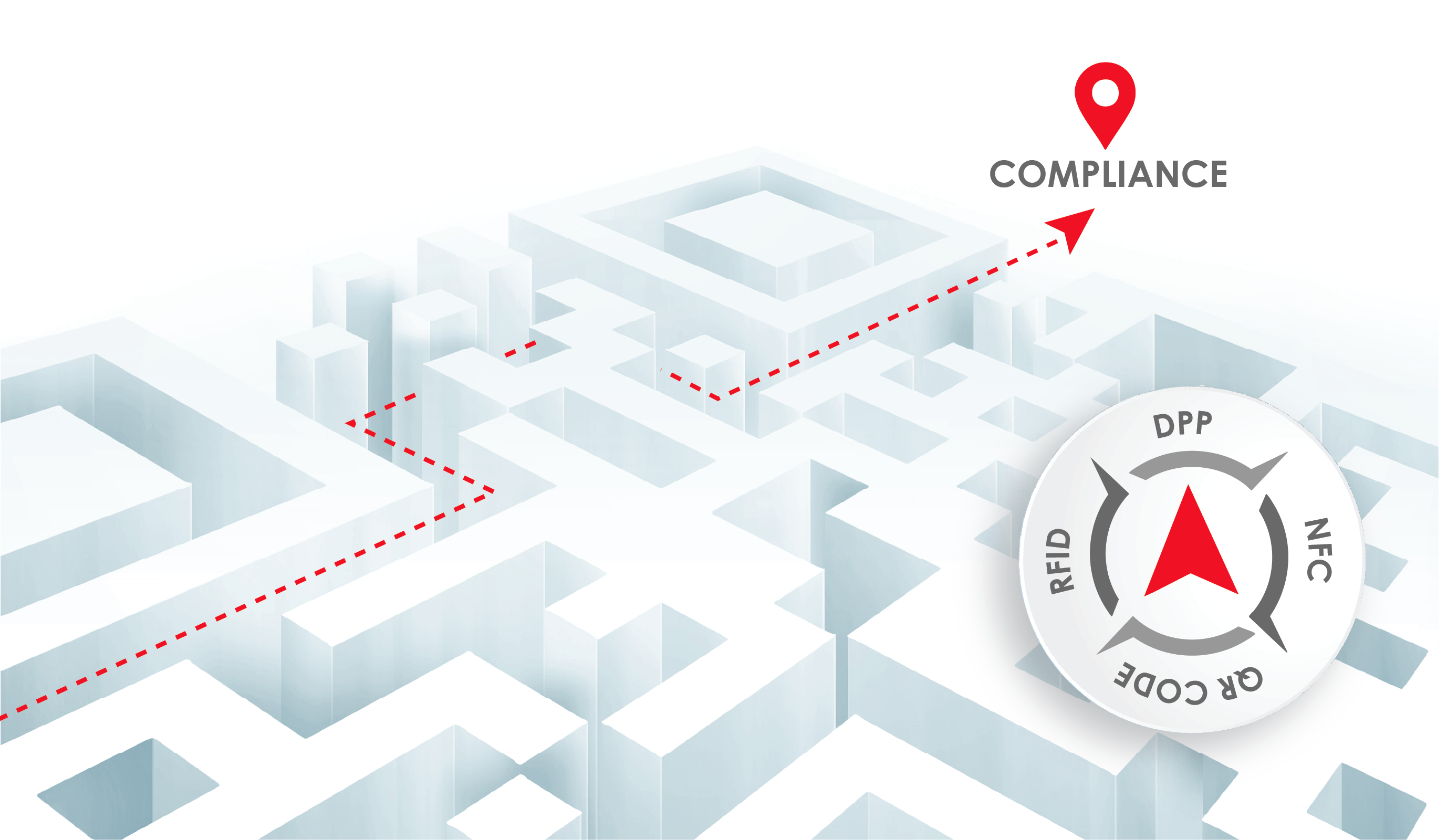
The European Parliamentary Research Service notes that the digital product passport (DPP) for textiles has the potential to improve “traceability, circularity and transparency” across the industry. If 2025 forced teams to gather more product information, 2026 will challenge them to make that information consistent and connected.
Brands will need to treat product data as something that follows the garment from design through end-of-life rather than something collected at one moment because a retailer asked for it. Industry guidance highlights the full range of information a textile DPP may carry: composition data, supply chain origins, environmental impact, repair options and disposal routes.
The core shift is that product information becomes structured and continuous. Instead of storing data in static spreadsheets or siloed systems, brands will begin creating central data architectures that support multiple needs at once: DPP, retailer reporting, internal analytics, sustainability claims, and circularity initiatives.
3. Transparency shifts from obligation to differentiator
Transparency was a top-line issue in 2025 and, in 2026, the conversation deepens. The question is no longer whether a brand can provide traceability data but whether the transparency they provide is meaningful, complete, and credible.
Legal and policy analysis shows the EU’s broader sustainability framework tightening its stance on vague environmental claims and pushing companies to substantiate terms that previously had no consistent definition.
For brands, this means transparency cannot stop at minimum disclosure. When DPP information becomes visible to consumers, it also becomes a customer-experience tool. The same data that satisfies compliance can also support authenticated repairs, resale pathways, care guidance and extended warranties.
Retail partners may begin differentiating vendors based on the completeness, reliability, and digital accessibility of their product data, while consumers shop from brands that reflect their green values.
Looking ahead
2026 will be a quieter year in terms of new announcements, but a heavier year in operational work. Apparel teams will move from tracking policy to building the systems that support it. Product data will evolve from scattered documentation into structured, lifecycle-long assets. Transparency will shift from obligation to competitive signal.
As you begin building systems to support your brand, reach out to our team at Charming for any questions that emerge. Our experts are passionate about helping teams reach their compliance and sustainability goals.

.png) Rich Ringeisen
Rich Ringeisen


 Neil Greenhalgh : Sep 16, 2024, 12:00:00 AM
.png?width=30&name=rich%20ringeisen%20-%20Edited%20(1).png) Rich Ringeisen
Rich Ringeisen