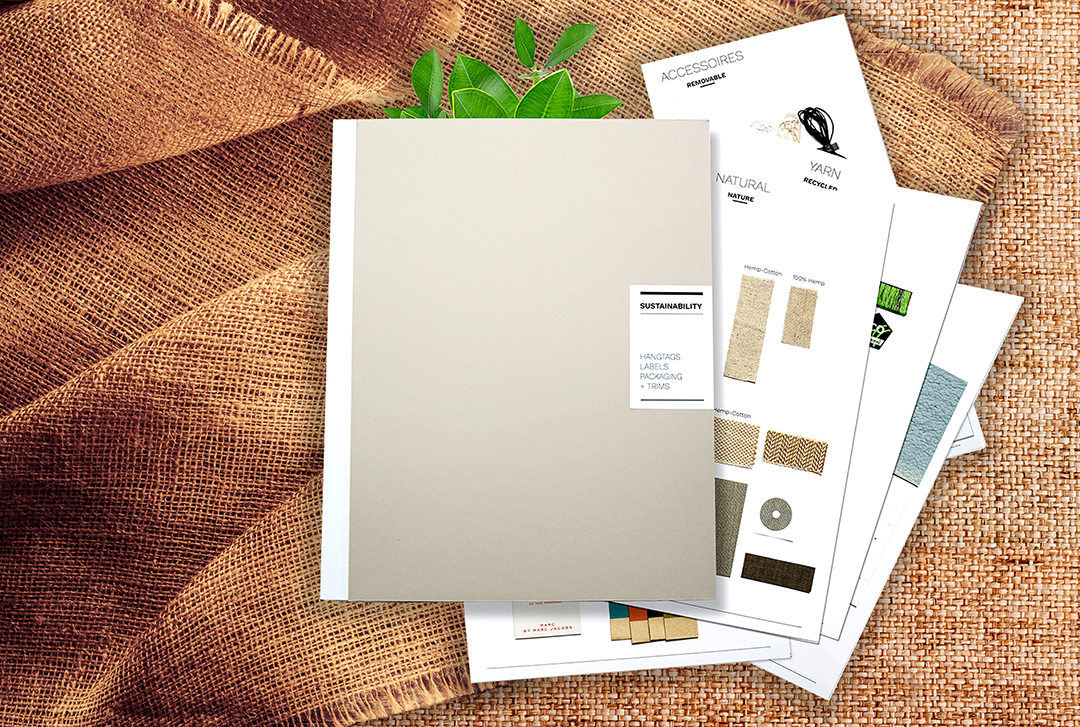
In 2024, we’ve seen unprecedented levels of discussion on topics like circularity, sustainability, and environmental friendliness in the manufacturing space. With the buzz on protecting the environment comes new, relevant ways to stay sustainable.
This week, we’re highlighting traceability.
What is traceability?
Traceability refers to, “the ability to know where products and their derivatives come from.” As consumers and regulations push for an increase in sustainable practices, a need for transparency follows behind, resulting in a need for traceability.
The concept isn’t new, however. Regulations already enforce traceability in industries like food, pharmaceuticals, and defense for the purpose of protecting buyers. Consumers are growing more familiar with the term in relation to the environment, though — Cotton Incorporated's 2023 Consumer Circularity Survey demonstrated that over 57% of consumers had heard the term in relation to the concept of sustainability.
Why do we need traceability?
While traceability is a natural side effect of the consumers’s shift toward sustainable practices, the concept in and of itself brings a few key benefits forward for all players in the market:
Authenticity
By providing a full look into a product’s journey, traceability empowers consumers to determine the authenticity of a garment or product. When you know where a product came from, you can validate whether or not the product is legitimate. That makes counterfeiting much more difficult. With a rise of traceability, it’s fair to assume consumers will purchase counterfeit products less and, as a result, we can predict that the production of counterfeits will go down.
No greenwashing
Greenwashing is the, “act of making false or misleading statements about the environmental benefits of a product or practice,” states the NRDC. From Lululemon’s misleading sustainable fashion claims to Keurig’s coffee pod scandal, greenwashing is an epidemic that harms consumers and damages the marketplace with false differentiation between products.
If brands were required by law (or even pressured by mainstream trends) to demonstrate traceability, greenwashing would be nearly impossible without significant fraudulent behavior. When traceability is mainstream, greenwashing goes out of style.
Values-based marketing
Many buyers shop with their values in mind. In fact, 82% of consumers are looking to spend their money on companies with values in alignment with their own. When traceability is common, buyers have the ability to assess whether or not the brand is sufficiently sustainable for their personal preferences.
For organizations who go above and beyond to ensure their materials are sustainably produced, values-based shopping is an extremely positive trend. Organizations can gear their marketing campaigns to highlight their green efforts and feel confident that buyers will respond. On the flip side, organizations that neglect to meet traceability standards and prioritize sustainability will fall behind.
The solution: Charming DIGI (powered by TAPPR)
As traceability becomes a norm (and elements of traceability enter law), textile organizations need to prepare to disclose their product’s entire journey, from source to production.
While the humble care label can be a solution, we urge brands to consider a more comprehensive option: a digital product passport (DPP). The DPP elevates the care label from a necessity to a portal for brand storytelling and customer communication.
When you upgrade your care labels from a basic, traditional label to an elevated, digitally-enabled passport, your label goes from a required cost to an active part of your marketing and corporate governance. With a DPP, you can provide an easy way for your customers to learn where their garment came from and the efforts you took to protect the planet while you made it.
And, when the benefits are spread throughout your company, the costs should be, as well. Share the cost of the investment across purchasing, marketing, and environmental departments of your organization.
Charming Trim, in partnership with TAPPR, is proud to provide the solution for your digital passport needs with Charming.DIGI. Charming.DIGI is a leader in DPP technology, enabling your organization to tell the full story of how your garments — and your company — came to be.
To learn more, request a demo with one of our team members. We can’t wait to get started.


 Neil Greenhalgh


.png?width=30&name=CT%20SLASH%20(1).png) CHARMING STAFF : Jul 8, 2025, 12:00:00 AM
CHARMING STAFF : Jul 8, 2025, 12:00:00 AM

.png?width=30&name=rich%20ringeisen%20-%20Edited%20(1).png) Rich Ringeisen
Rich Ringeisen