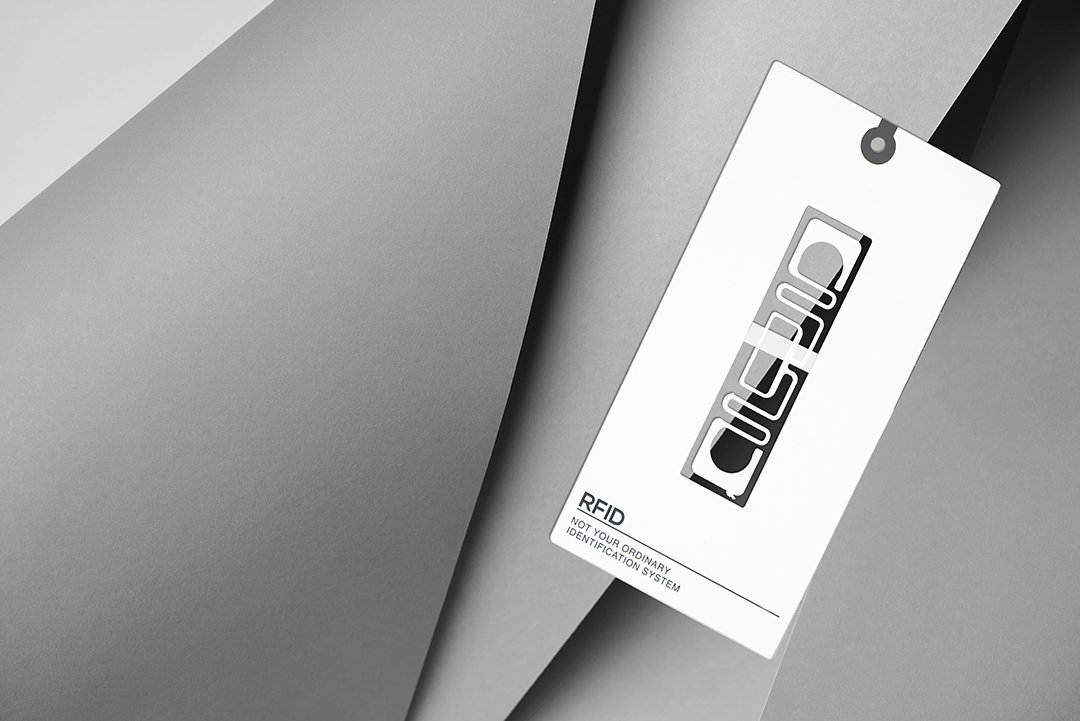
UHF and NFC are two acronyms you’ll hear often. While they’re both forms of the same technology, RFID (radio frequency identification), they serve very different purposes. So, what exactly do they do, and how do you know which is right for your business?
We’ll explain both options below to help you decide which solution (or combination) best suits your needs.
UHF (ultra-high frequency)
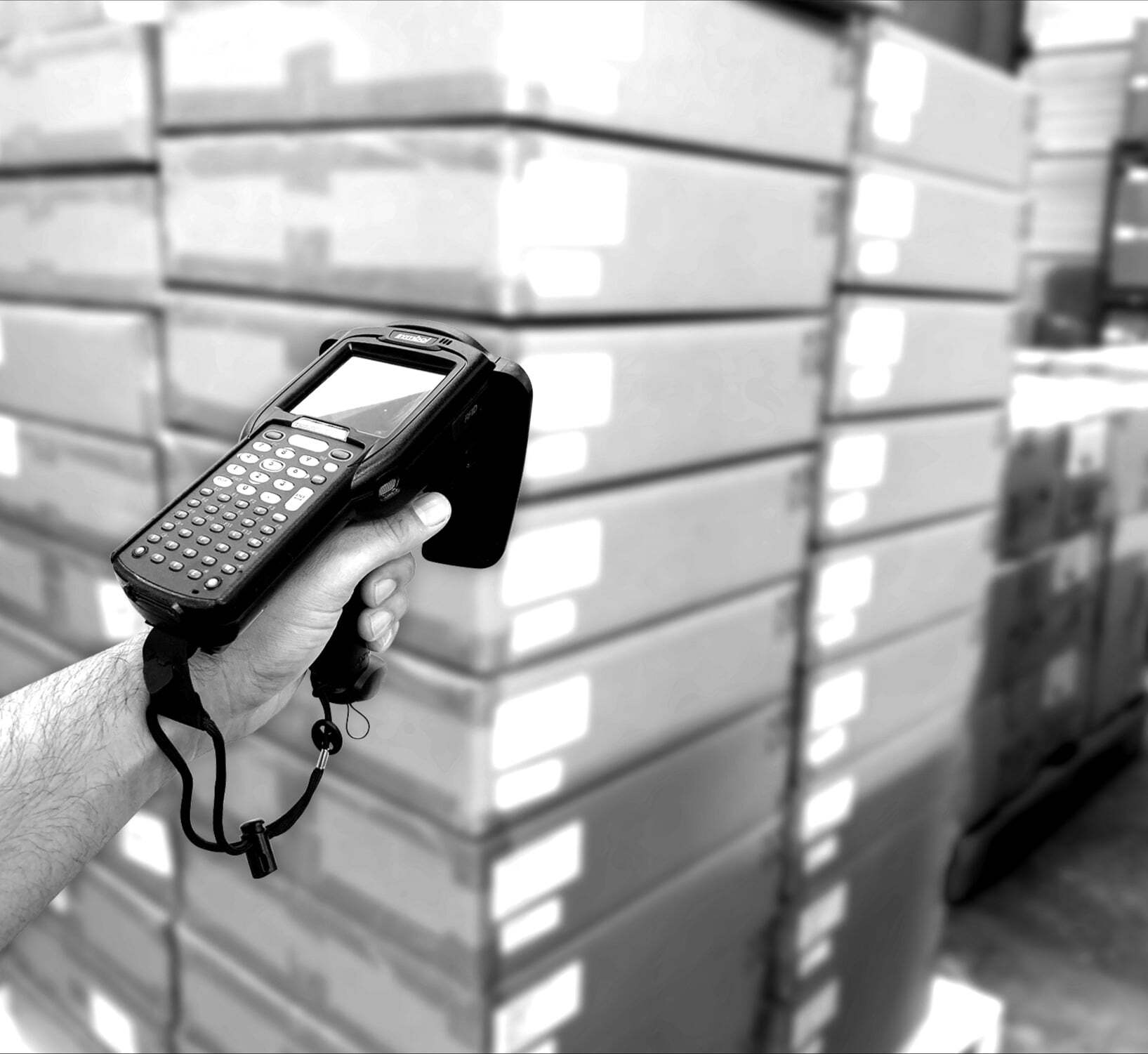
Like all RFID, UHF uses radio waves to wirelessly transmit information between a tag and a reader. While it currently requires specialized readers, UHF scanning technology is being added to smartphones soon.
UHF works over longer distances than NFC, can transmit data faster, and has a greater storage capacity per tag. But the most significant advantage? It can scan multiple tags at once. That makes RFID ideal for large-scale operations like warehouses, distribution centers, or retail backrooms where hundreds or thousands of items must be tracked simultaneously.
When paired with RFID management software, like Truecount, you can unlock real-time tracking across your entire inventory. This means knowing exactly where items are located, whether they’re in a shipping container, on the retail floor, or en route to a customer.
For businesses, that means:
- Reduced stockouts: One study found customer satisfaction with product availability jumped by 30% after implementing real-time tracking.
- Faster and more accurate inventory audits: RFID can increase inventory accuracy to 99.99% and count rate by nearly 6000%.
- Better decision-making: With clear visibility across the supply chain, you can forecast demand, adjust faster, and reduce waste.
If you're trying to streamline operations and boost efficiency behind the scenes, RFID is your best bet.
NFC (near field communication):
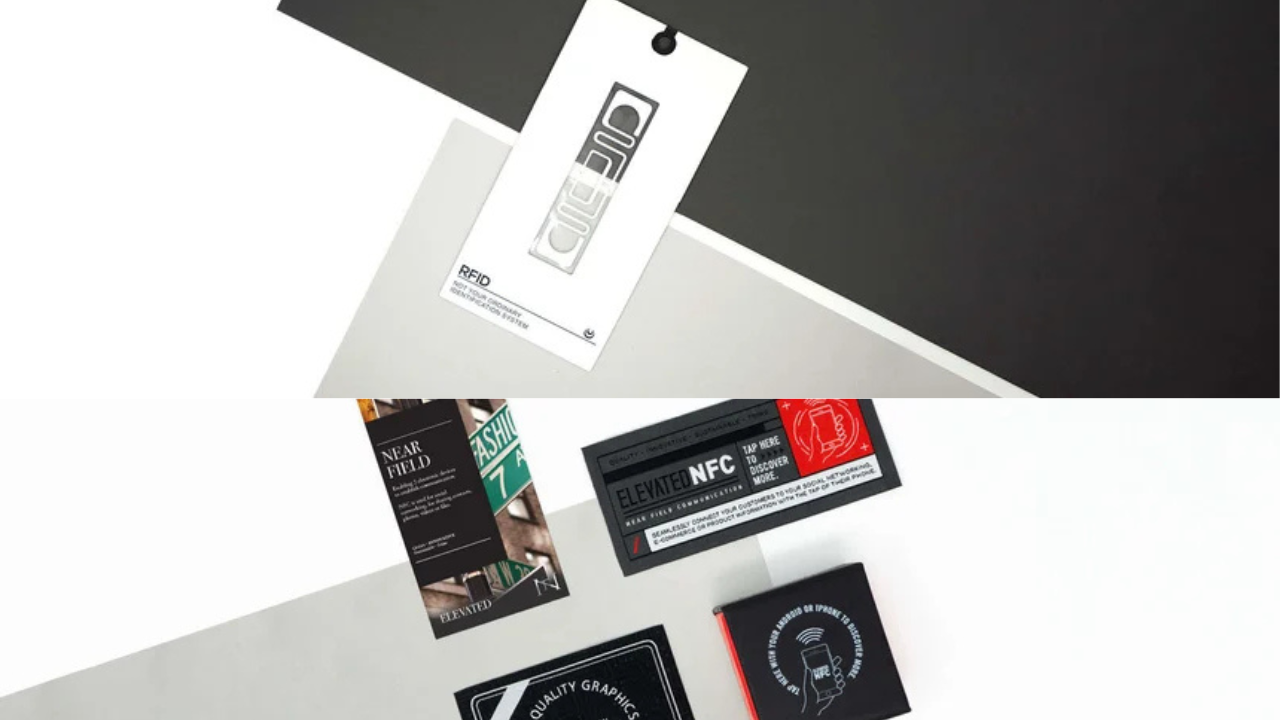
NFC is a specialized form of RFID that has an extremely close range, usually just a few centimeters. Unlike traditional RFID, NFC allows two-way communication, which makes it perfect for secure, consumer-facing applications.
The most well-known use case is contactless payments. Platforms like Apple Pay, Google Pay, and most tap-to-pay credit cards rely on NFC. But its potential goes far beyond payments, and smart brands are already using it.
Today’s smartphones all come with built-in NFC readers, which means you can use NFC-enabled tags in packaging, marketing, and in-store displays.
Here’s how NFC can enhance customer engagement:
- Targeted promotions: With the right setup, NFC can connect to a shopper’s online profile and trigger in-store custom offers or coupons based on browsing behavior. It also gives retailers data on how customers interact in-store, helping refine future marketing.
- Personalized recommendations: 71% of consumers expect personalization, and NFC helps deliver it in-store. With a simple tap on a tag, consumers can get product suggestions based on online shopping history or view matching clothing pieces.
- Seamless omnichannel shopping: The average shopping experience now starts with digital research; 81% of consumers look up products before buying. NFC bridges the gap between online and in-store by giving shoppers instant access to reviews, details, and more with a simple tap.
If your goal is to create personalized, engaging, and interactive in-store moments that deepen brand loyalty, NFC is the tech to lean into.
Which one do you need? Maybe both
Here’s the thing: UHF and NFC aren’t competitors — they’re complements. UHF is great for tracking inventory and improving logistics, while NFC tags can improve the consumer experience. Whether you're trying to optimize operations or create more memorable customer interactions, UHF and NFC have clear and powerful roles to play.
At Charming, we help businesses embed these technologies into their labeling and packaging, bringing physical products into the digital world with ease. Schedule a consultation and get started today!

.png) CHARMING STAFF
CHARMING STAFF
.png?width=30&name=rich%20ringeisen%20-%20Edited%20(1).png) Rich Ringeisen : Feb 16, 2026, 12:00:00 AM
Rich Ringeisen : Feb 16, 2026, 12:00:00 AM