With the United States election behind us, the manufacturing industry (and the world) are anticipating some major changes. As is the case every election cycle, shifts in Presidential party and Congressional control come with a lot of unknowns for brands.
But one thing is for sure: sustainability isn’t dead.
Sustainability laws, regulations, and requirements are emerging all around the world — including the United States — and companies that ignore them are bound to face a harsh wake up call. While we can’t predict what’s to come in this new Presidential term, we know sustainability is here to stay.
The Government Accountability Office’s report
Just last week, the Government Accountability Office’s report on textile waste was released to the public. The report was requested last year by Representative Pingree, Representative DeLauro, and Senator Carper, focusing on the threats fast fashion poses to our environment.
The study outlines the harms created by the fast fashion industry, from greenhouse gas to contaminants found in soil and water supplies. According to the report, textile waste has grown by over 50% since 2008 — and it won’t get better unless governing institutions and brands take action.
Representative Pingree, the founder of the Congressional Slow Fashion Caucus, shared the value she sees in this important research in a press release published by American Circular Textiles (ACT).
“Textile waste—driven by fast fashion—is one of the fastest growing waste streams in the United States, yet no federal entity is required to address this waste,” Pingree said. “The Government Accountability Office’s report confirms that fast fashion’s toll on our planet is undeniable. From contributing to greenhouse gas emissions to microplastic and forever chemical contamination, the environmental costs are staggering.”
Actions the GAO report calls for
Representative Pingree went on to share that, while the report serves as an educational resource, it’s intended to have a legislative impact. In fact, she committed herself to introducing legislation within Congress on the topic.
“This report is a wakeup call for Congress to take bold action,” she continued. “As Founder and Chair of the Congressional Slow Fashion Caucus, which is developing policy to reduce natural resource consumption and promote reusing, repairing, and recycling textiles, I will introduce legislation next Congress to support and build on these recommendations. Together, we can transition from a linear, throwaway economy to a circular one that protects our environment and communities.”
The report includes 7 calls-to-action to 6 different government agencies, pushing for strong interagency cooperation. There’s a matter for Congressional consideration, as well.
What this means for your brand (and how we can help)
Reports like the one published by the GAO, as well as groups like the Congressional Slow Fashion Caucus, prove that there is still a political will for slow fashion and less waste.
Brands have tried to balance sustainability with price effectiveness for years, but it’s clear that there’s still a long way to go. With emerging regulations, brands are being pushed to find creative ways to cut down on waste and stay compliant without jacking up costs. Charming Trim is here to help, with offerings like:
- The digital product passport (DPP), which can empower your clothing’s circular journey while telling your brand’s story directly to your customers.
- Radio frequency identification (RFID), which can streamline your supply chain and production processes so you can skip massive discounts and fast-turn orders.
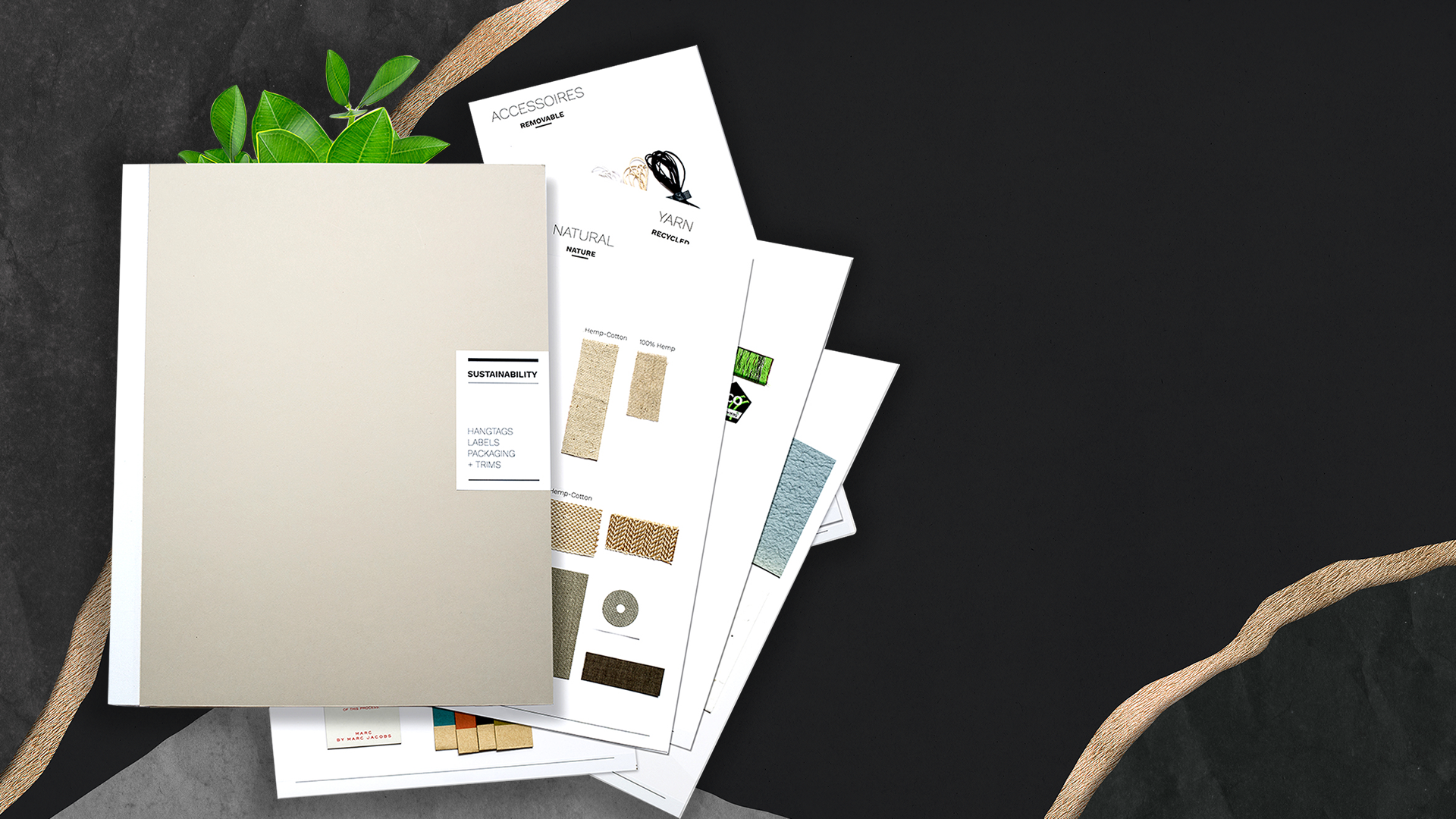
- Premium labels, tags, packaging, and trim, to deliver your DPP and RFID information to your customers on sustainably sourced materials.
- Customized product messaging. At Charming, one size DOES NOT fit all. We understand that each brand, retailer, or company has unique requirements, goals, and markets.
Being sustainable keeps you compliant, accessible, and approachable to the growing number of consumers who care deeply about their impact on the environment. Through technology like the DPP and RFID, as well as green materials, you can do your part for the environment, while meeting legal requirements and consumer preferences.
To learn more about Charming’s sustainable offerings, reach out to a member of our team. We can’t wait to get started.



.png?width=30&name=Untitled%20design%20(16).png) Liz Magri : Jul 7, 2024, 12:00:00 AM
Liz Magri : Jul 7, 2024, 12:00:00 AM
.png)
.png?width=30&name=rich%20ringeisen%20-%20Edited%20(1).png) Rich Ringeisen
Rich Ringeisen
 Jeremy Van Houten